


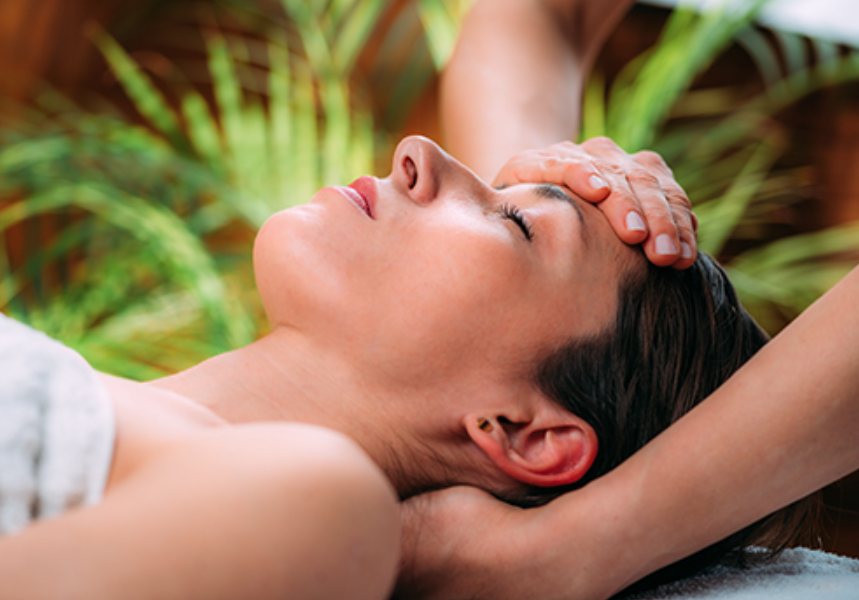
Professional massage therapy offers a natural way to support relaxation, reduce everyday muscle tension, and promote a greater sense of physical and mental well-being. Whether you spend long hours at a desk, participate in regular physical activity, experience general muscle tightness, or simply want time to relax, professional massage can be incorporated into a broader wellness routine.
Unlike a casual massage, professional therapy is provided by trained practitioners who understand different massage techniques and can adapt a session according to an individual’s comfort, needs, and goals. From relaxing techniques to targeted pressure-based approaches, massage therapy can provide a personalized experience designed around overall wellness.
What Is Professional Massage Therapy?
Professional massage therapy involves the systematic manipulation of muscles and soft tissues using techniques such as kneading, stroking, compression, and controlled pressure. Depending on the selected approach, a session may focus on relaxation, muscle comfort, flexibility, or general wellness.
A professional session typically begins with a discussion about your preferences and areas of concern. The practitioner can then select appropriate techniques and pressure levels.
Common goals of massage therapy include:
- Promoting relaxation
- Reducing everyday muscle tension
- Supporting flexibility
- Encouraging circulation
- Helping the body unwind after physical activity
- Supporting general wellness
- Providing dedicated time for stress relief
Massage should complement, rather than replace, appropriate medical care when someone has an injury or medical condition.
Benefits of Massage Therapy Services
Professional massage therapy services can be tailored to different lifestyles and wellness preferences. Regular massage may become part of a self-care routine for people who want to make relaxation and physical comfort a greater priority.
Relaxation and Stress Management
A massage session can provide an opportunity to step away from daily responsibilities. A calm environment combined with therapeutic touch may help promote relaxation and mental rest.
Muscle Comfort
Long periods of sitting, repetitive activities, exercise, and everyday physical demands can contribute to muscle tightness. Massage techniques may help relax tense areas and improve overall comfort.
Support for Flexibility
Relaxed muscles and regular movement are important components of maintaining flexibility. Massage can complement stretching and other healthy movement habits.
Post-Activity Recovery
People who exercise regularly may use massage as part of their recovery routine. A suitable massage can help promote relaxation after demanding physical activity.
Different Types of Massage Techniques
There is no single massage technique that suits everyone. Different approaches offer different experiences, and the right option depends on personal preferences and wellness goals.
Swedish Massage
Swedish massage generally uses flowing strokes, kneading, and rhythmic movements. It is commonly selected by people looking for a relaxing and comfortable massage experience.
Deep Tissue Massage
Deep tissue techniques use more focused pressure on areas of muscle tension. Because deeper pressure may not be appropriate for everyone, clients should communicate openly with their practitioner.
Sports Massage
Sports massage is often selected by physically active individuals. Techniques may focus on areas that experience increased workload during exercise and training.
Acupressure Massage
Acupressure-based massage uses pressure applied to specific points of the body. The experience can be adjusted according to comfort and individual preferences.
Acupressure and Massage: A Holistic Approach
Acupressure and massage can be combined to create a wellness-focused session that incorporates both general massage techniques and targeted pressure. Acupressure is traditionally associated with applying pressure to specific points on the body.
Combining these approaches can provide a varied experience that includes:
- Relaxing massage movements
- Targeted pressure
- Attention to areas of muscle tension
- A calming wellness environment
- Personalized pressure levels
People interested in this approach should discuss their expectations with a qualified practitioner before beginning a session.
Understanding Massage Acupressure
Massage acupressure focuses on applying controlled pressure to selected points while incorporating massage movements. The technique can be adapted to different comfort levels and wellness preferences.
A practitioner may use their fingers, thumbs, palms, or other appropriate techniques to apply pressure. Communication is important throughout the session, particularly when working on sensitive or tense areas.
What to Expect During a Session
A professional session may include:
- A brief consultation
- Discussion of pressure preferences
- Identification of areas requiring attention
- Selection of appropriate techniques
- The massage session
- Post-session recommendations for relaxation and hydration
The exact structure depends on the practitioner and the type of massage selected.
How to Prepare for a Massage Session
A little preparation can make your massage experience more comfortable.
Stay Hydrated
Drinking enough water throughout the day supports general wellness and helps you arrive feeling comfortable.
Avoid Heavy Meals Immediately Beforehand
A light meal or appropriate gap between eating and your appointment may help you feel more comfortable during the session.
Wear Comfortable Clothing
Follow the practitioner’s guidance regarding clothing and preparation for the specific type of massage.
Communicate Your Preferences
Tell your practitioner about:
- Preferred pressure level
- Areas you want addressed
- Areas you do not want touched
- Any discomfort during the session
- Temperature or positioning preferences
Open communication helps create a more personalized experience.
Choosing the Right Professional Massage Therapist
Selecting an experienced and qualified practitioner is important for a safe and enjoyable experience.
When choosing a massage professional, consider:
- Relevant training and qualifications
- Experience with your preferred massage technique
- Professional reputation
- Clean and comfortable facilities
- Clear communication
- Personalized consultations
- Transparent pricing and policies
A good practitioner should listen to your needs and avoid applying pressure that causes unnecessary pain or discomfort.
When to Avoid or Modify Massage
Massage is not appropriate in every situation. People with certain injuries, illnesses, skin conditions, recent procedures, or other health concerns may need to avoid massage or obtain professional medical advice first.
Before booking a session, consider discussing massage with an appropriate healthcare professional if you:
- Have a significant or unexplained injury
- Are experiencing severe or persistent pain
- Have an acute infection or fever
- Have a condition that affects circulation or bleeding
- Recently underwent surgery or another medical procedure
- Are unsure whether massage is appropriate for you
During a session, always tell the practitioner if something feels painful or uncomfortable.
Making Massage Part of a Wellness Routine
Massage can be one component of a broader approach to wellness. For the best overall results, consider combining massage with healthy daily habits.
These may include:
- Regular physical activity
- Adequate sleep
- Balanced nutrition
- Appropriate hydration
- Stretching and mobility exercises
- Stress-management activities
- Regular breaks from prolonged sitting
The frequency of massage should depend on individual preferences, lifestyle, budget, and professional recommendations.
Why Professional Care Can Make a Difference
Professional massage is different from an informal massage because trained practitioners can adapt techniques, pressure, positioning, and session structure according to the client’s needs.
A professional approach emphasizes:
- Client comfort
- Appropriate technique selection
- Clear communication
- Hygienic practices
- Personalized sessions
- Respect for individual boundaries
This can make the experience more consistent and comfortable for people who incorporate massage into their wellness routine.
Professional massage therapy can be a valuable addition to a balanced wellness routine, offering opportunities for relaxation, muscle comfort, and personal self-care. With different techniques available, individuals can choose an approach that suits their preferences, from relaxing Swedish massage to targeted acupressure-based techniques.
Understanding the available options and communicating openly with a trained practitioner can help create a comfortable and personalized experience. Whether your goal is to unwind after a busy week, support post-exercise relaxation, or explore acupressure techniques, professional care can help you make massage a meaningful part of your wellness routine.
For individuals looking for a personalized approach to relaxation and wellness, Acupressure Massage Therapy offers professional massage and acupressure-focused services designed around individual comfort and needs. Contact the team to explore suitable massage options and begin your wellness journey.