


MiniTec Solutions builds modular aluminum framing, and the question its customers raise most often is whether the material can take the load. An engineer will usually answer with a question of their own, which is what the frame has to do. A guard around a robot cell, a light workstation, and a loaded machine base ask for very different things. Aluminum framing material works for all three if it is chosen with its habits in mind, and the sections below cover those habits, from stiffness and joints to the checks worth making before an order goes out.
Why Stiffness Often Matters More Than Raw Strength in Aluminum Frames
Stiffness is what catches people off guard. Aluminum has about a third of the stiffness of steel, so a beam of the same size bends roughly three times as far under the same load, though it also weighs a third as much. These frames seldom break. They sag, bounce, or twist first, and that usually happens far below the load the metal could actually carry.
An unsupported table of length looks perfectly fine, yet you can press it and it will feel slightly flexible. For example, if you consider design in terms of flexibility allowed, you have to look beyond simple yield, as other components such as table mounts and machinery supports will become flexible much sooner than the table top itself.
Factors That Decide Whether an Aluminum Frame Will Hold Up
A few things decide whether a frame does its job:
- Profile size and wall thickness: Larger sections with thicker walls resist bending much better than small ones.
- Span length: Deflection rises fast as the unsupported length grows, so a long span needs support or a deeper profile.
- Type of load: A steady weight behaves differently from repeated shocks, vibration, or loads that move.
- Temperature: Aluminum weakens when it gets hot, so a frame near a heat source needs a closer look.
- Alloy and temper: Extrusions come in several grades, and the supplier’s data sheet should name the one used.
If any of these gets missed, the frame can fall short even when the metal was a good choice.
Why Joints and Connections Often Set the Real Limit
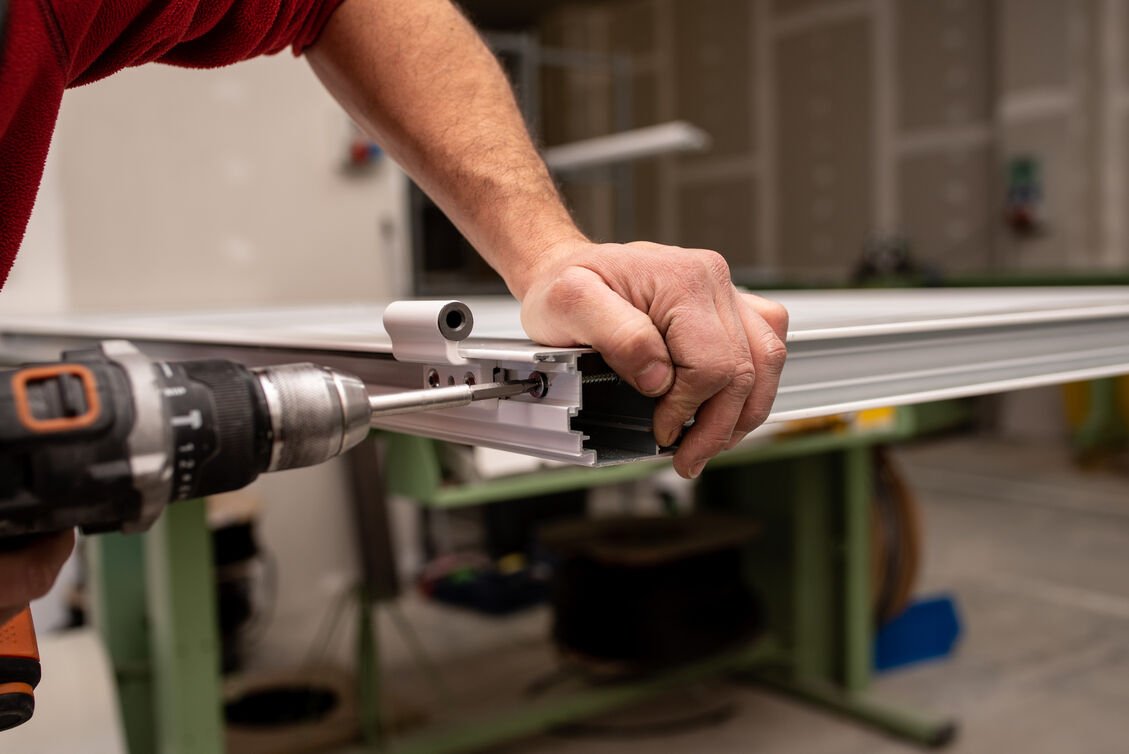
Joints usually give out on most frames first. Using solid extrusions with a weak connection is not the way to go. Butt fasteners, T-nuts, corner brackets, and gussets all have ratings that include the tightening torque as well. For example, a square frame with nothing in the way will just buckle if someone touches it with even a slight push, unless you use a diagonal bracing system.
Ways to Make a Frame Stiffer Without Switching Materials
If a design flexes too much, a different metal is only one answer. A deeper profile helps a great deal, since stiffness climbs quickly with section depth, and heavy-duty profiles with thicker walls add more. Shorter spans, extra legs, diagonal braces, corner gussets, and rigid panels fixed to the frame all stiffen it without adding much weight. One small change often does more than moving up to a heavier profile.
How MiniTec Solutions Helps Engineers Specify Aluminum Framing Systems
MiniTec Solutions supplies modular aluminum framing systems from Huntsville, Alabama, with profiles for different kinds of work:
- 30 Series: lighter jobs such as compact enclosures, light paneling, and sensor mounts
- 45 Series: medium-duty, used for workstations, conveyor frames, and safety guards
- 45 Series Heavy-Duty: thicker walls for high dynamic loads, machine bases, and robotic cells
- Closed-Face Series: a smooth profile for cleanrooms, medical equipment, and food lines
Design help is free. The process includes drawings and a bill of materials that the customer approves before the project moves ahead. Buyers can order custom-cut, labeled kits or fully assembled structures. Load ratings for each profile aren’t listed on the site, so engineers should ask for the data on the exact profile and connection they plan to use.
Checking the Design Before the Order Goes Out
A short review now can spare you a lot later. Confirm the loads, check the deflection, brace the frame, and make sure each connection is rated for what it will carry. When something is unclear, a call to the supplier’s design team costs less than rebuilding. A little homework goes a long way with aluminum framing material.
FAQs
Is Aluminum Framing Strong Enough for Heavy Machinery?
Usually, yes. Machine bases are a regular use, and suppliers make extra-large, heavy-wall profiles for them. Snapping is rarely the worry. Bending is. A frame can carry the weight and still sag enough to throw a machine out of line. Ask the supplier for deflection and joint ratings, and brace anything that holds heavy equipment.
How Does Aluminum Compare to Steel for Frame Stiffness?
Steel is the stiffer metal by a wide margin. Aluminum’s modulus of elasticity is around 10 million psi and steel’s is closer to 29 million, so a beam of the same size under the same load will bend roughly three times as far in aluminum. The weight difference runs the same direction, with aluminum at about a third of steel’s. Most designers deal with the flex through a larger profile or a shorter span, and a brace works too.
What Usually Fails First in an Aluminum Framing System?
Often it isn’t the extrusion at all. When a frame starts to lean or rack, the cause is usually a connection, like a fastener that worked loose, a bracket sized too small, or a diagonal brace nobody installed. The profiles themselves are barely stressed at that point. Tightening to the torque the manufacturer gives, adding gussets at the corners that carry the most load, and bracing the frame all help keep the joints sound.
Does Temperature Affect Aluminum Framing Strength?
It does, because aluminum loses strength as it heats up, and the drop becomes noticeable once temperatures climb past roughly 100°C. A frame beside an oven or furnace is where that matters. Inside an ordinary shop, though, it almost never becomes a problem. If heat will be present, ask the supplier for temperature data before picking profiles, and where the layout allows it, set the frame farther from the source.
What Information Should an Engineer Give a Supplier When Designing a Custom Frame?
The supplier needs the loads and which way they act, the spans, and the overall size of the frame. Operating temperature matters, along with how the frame will be mounted and what gets attached to it, such as panels or doors. When precision equipment will sit on the frame, add the amount of deflection it can tolerate. With all of that, a supplier like MiniTec Solutions can recommend profiles and hardware and prepare drawings.