


Building a cannabis brand is not as simple as having a good product and putting it on the market. There is a lot more going on behind the scenes. From strict advertising rules to changing customer expectations, cannabis businesses face challenges that many other industries don’t deal with in the same way. This is where a Cannabis marketing agency can make a real difference. The right agency understands the industry, knows how to communicate with different audiences, and helps brands build an identity people can recognize. Whether a business is launching a new cannabis product or trying to grow an established name, having a clear marketing approach matters. Without one, even a good brand can struggle to get noticed.
Understanding the Cannabis Market Before Promoting a Brand
Cannabis customers aren’t all the same. Some are interested in wellness products, others pay attention to product quality, while some care more about design, convenience, and brand reputation. Trying to speak to everyone with the same message usually doesn’t work.
A good cannabis marketing team starts by understanding the business and its audience. They look at the products, brand positioning, competitors, and the type of customers the company wants to reach. This gives the business a better idea of how it should present itself in the market.
For example, a cannabis startup targeting experienced consumers may need a different visual identity and communication style than a wellness-focused company introducing a new product line. The difference matters. Marketing should reflect what the brand actually stands for, not just follow whatever trend is popular at the moment.
Building a Strong Cannabis Brand Identity
Customers often recognize a brand before they understand every detail about its products. That’s why branding plays such an important role in the cannabis industry.
A consistent identity includes the logo, colors, typography, packaging, messaging, and overall visual style. These elements should work together instead of looking like separate pieces put together at the last minute.
A creative agency helps businesses develop a brand personality that feels recognizable across different platforms. It might involve creating a new logo, refreshing existing packaging, developing brand guidelines, or improving the way products are presented.
The goal isn’t to make every cannabis company look trendy or overly modern. Some brands need a clean and minimal appearance, while others benefit from bold colors and more expressive visuals. What matters is consistency. When customers see the brand on a product shelf, website, or promotional material, they should be able to connect those elements.
Creating Cannabis Packaging That Gets Attention
Packaging is one of the first things customers notice when comparing products. It also has a practical job. It protects the product, communicates important information, and helps customers understand what they’re purchasing.
Cannabis packaging design needs more thought than simply printing a logo on a container. Businesses must consider product type, packaging materials, labeling requirements, readability, and applicable state regulations. Child-resistant packaging and other compliance requirements may also apply, depending on the product and market.
Working with experienced designers helps brands balance appearance and functionality. A well-designed package can communicate quality without making exaggerated claims or confusing customers.
It also helps to work with a reliable cannabis packaging supplier that understands the specific requirements of cannabis products. The packaging design and production process should work together from the beginning. Otherwise, a design that looks great on screen might create problems during manufacturing or fail to meet important packaging requirements.
Using Digital Marketing to Improve Brand Visibility
Digital marketing gives cannabis businesses more ways to communicate with their audiences, but the industry has some restrictions. Major advertising platforms often limit or prohibit cannabis-related promotions, depending on the product, location, and advertising policy.
Because of this, brands cannot always depend on traditional paid advertising campaigns. They have to be smarter about how they build visibility.
Search engine optimization is one useful approach. By creating relevant website content, improving service and product pages, and targeting useful search terms, businesses can improve their chances of appearing when people search for related information.
Email marketing, educational content, social media, and public relations can also support brand communication, provided the activities follow applicable laws and platform policies. The important thing is to build a strategy around channels the business can actually use, rather than wasting time on platforms where its content may get rejected.
Developing Creative Content That Connects With Customers
People don’t always respond to advertisements, especially when every brand seems to be saying the same thing. Useful content can make a stronger impression.
A cannabis brand can share information about its product categories, packaging choices, manufacturing standards, brand values, and industry developments. Visual content also matters. Product photography, short videos, illustrations, and well-designed graphics can help explain what makes a business different.
A creative marketing agency can develop content that matches the brand’s personality. Some businesses may prefer an educational tone, while others might use a more casual approach. There’s no single formula that works for everyone.
However, content should have a purpose. Posting something every day just to stay active doesn’t automatically help a brand grow. It’s better to publish fewer pieces that actually give the audience something useful.
Improving Retail and In-Store Brand Experiences
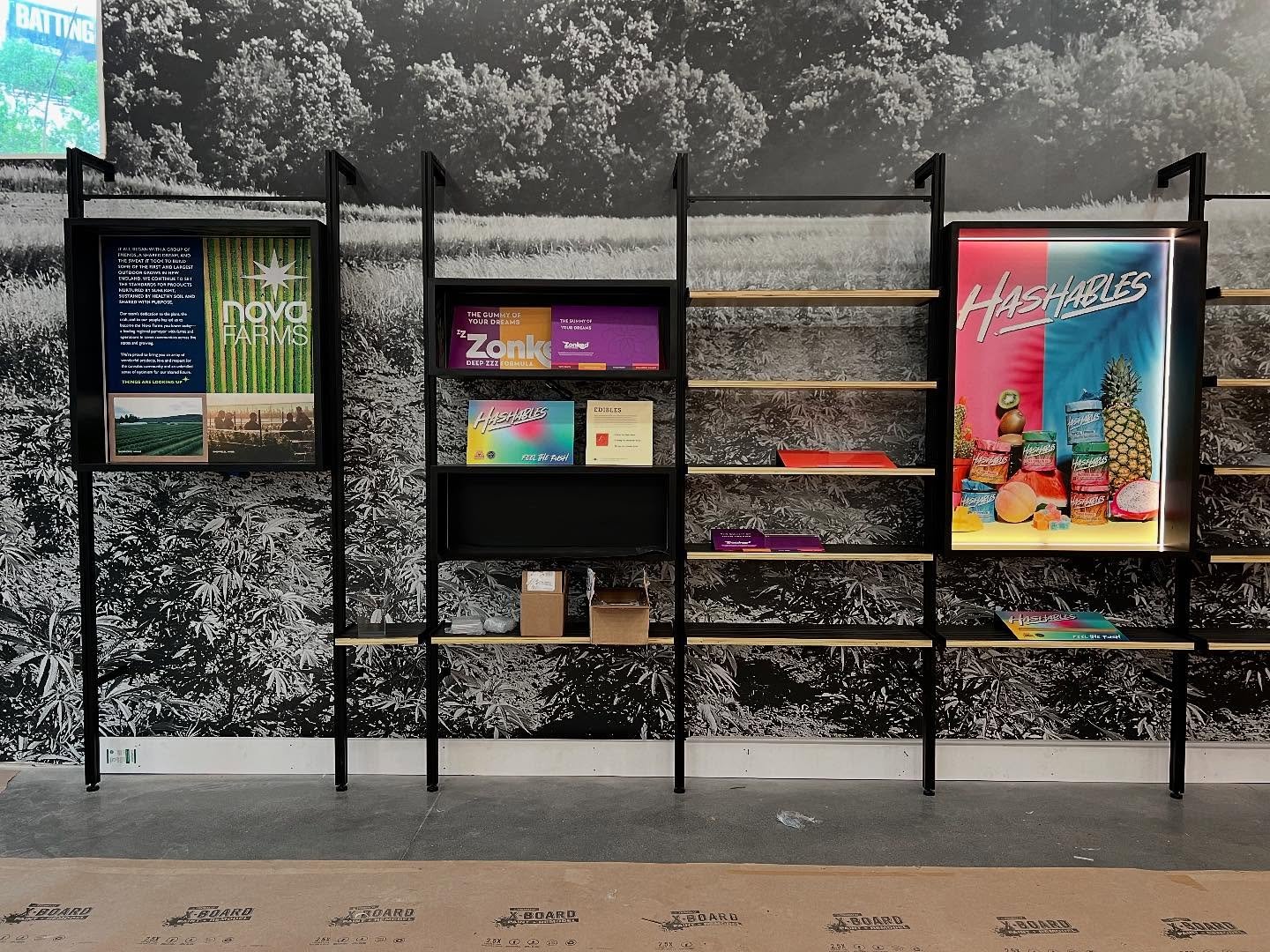
For cannabis businesses operating through dispensaries and retail locations, the customer experience doesn’t stop with the packaging. How products are arranged and presented can influence how people interact with the brand.
Retail displays, product shelving, signage, and point-of-sale materials all contribute to the overall experience. Poor presentation can make even a well-developed product look less appealing. That’s a missed opportunity.
A cannabis creative agency can help develop dispensary displays and visual merchandising that make products easier to recognize and understand. The design should support the retail environment without creating unnecessary clutter.
Physical spaces also offer an opportunity to maintain brand consistency. When packaging, store displays, and promotional materials follow the same visual direction, the business feels more established.
Measuring Results and Improving the Marketing Approach
Marketing shouldn’t run on assumptions alone. Businesses need to understand which activities are bringing attention and which ones aren’t doing much.
Website traffic, search rankings, customer engagement, email responses, and retail feedback can provide useful information. Looking at these results helps brands identify gaps and make better decisions about future campaigns.
A marketing partner can review this information and adjust the strategy when something isn’t working. Maybe the website content needs improvement, the brand message isn’t clear, or customers aren’t responding to the current visual approach. These things happen. The important part is recognizing them early and making changes instead of repeating the same approach.
Conclusion
Reaching the right audience in the cannabis industry takes more than attractive packaging or a few social media posts. Brands need a clear identity, useful content, thoughtful design, and a marketing strategy that respects industry regulations. A cannabis marketing agency brings these elements together and helps businesses communicate more effectively with their customers. From branding and packaging to digital visibility and retail presentation, every detail has a role to play. The cannabis market is competitive, and standing out takes consistent effort. Brands that understand their audience and present themselves clearly have a stronger foundation for building recognition and long-term customer relationships.