


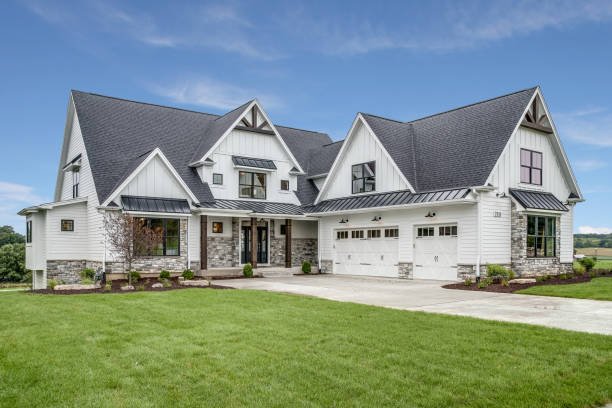
Nothing can compare to a property’s gorgeous interior, updated finishes and spacious features, yet bad light can cause the place to look uninviting and unflattering. First impressions are made online and most of the time, those impressions come from a handful of listing photos. This is when Real Estate Photography in Palm Coast comes in. Beautiful, natural light best conveys the true personality of the home, creating a look that isn’t fake or filtered. The perfect shot showcases the colors of the home, enhances the architectural details and creates an inviting space. The truth is that people want to see what a space feels like before even stepping foot into it.
How Natural Light Alters the Look of Your Interiors
For a Room Image The right home photo lighting can make a room seem more spacious, warm, and inviting. Dark rooms captured with insufficient or uneven artificial light look stark and harsh in comparison to the same space lit with rays streaming through the window. When you shoot with natural light, details are reflected without overexposing and robbing color in carpet and furniture, and you avoid unwelcome shadow cast by dedicated light sources. While not as critical in a tiny space, even camera-ready spotlights for smaller rooms can be replaced by welcome daylight, which fills a corner with warmth without a glare.
Choosing the Right Time for Residential Photography
Getting the right exposure for good natural light is much more than just opening the curtains and getting a camera out. Timing can be everything. Its all about the positioning of windows and the direction the property is facing, not to mention the distance from any surrounding buildings, trees and street furniture. Sometimes afternoon sunshine works better than in the morning, and vice versa. It all needs to be taken into account before the camera can be put into the shoot position. Direct sunlight should be avoided if it creates harsh spots and deep shadows falling across reflective surfaces or light coloured walls, whilst overcast days can provide more subdued, uniform illumination. Its not about how well-lit the room is, its about getting a more natural feeling image.
Natural Lighting Helps Highlight Architectural Features
Every home has one or more features worth highlighting. Whether it’s a cathedral ceiling, oversized windows, textured walls, gleaming floors, or an open floor plan, natural light can be used to highlight these features without creating too much distraction. Let the sunshine streaming in through windows in the right location illuminate textures and create depth in your images; also take note of how the light interacts with the various parts of the house rather than photographing each room by itself (for example – the kitchen might have a different lighting style than the adjacent seating area). This extra detail gives viewers more insight into your property than the fancy camera could otherwise provide.
How to Make Smaller Rooms Feel Larger and Inviting
It’s not always homes with huge windows and sweeping open-plan rooms. If your bedroom, bathrooms or even the kitchen are more compact, lighting is going to be crucial. Using some of the techniques above can help make a room appear less claustrophobic: by opening blind slats, getting rid of unneeded window covering and placing furniture thoughtfully, you can still let light flood a space, and photographers can always adjust a shot to exploit the available light without distorting it too much. However, a small bedroom is still going to look like a small bedroom – just a better looking one. While buyers will enjoy a good photograph, they’ll want the property to look like the photograph when they view it.
Tradeoffs: Window Exposure versus Brightness in the interior
Another common problem in residential photography is getting bright windows and well-exposed interior spaces all in one shot. Bright sunlight outside makes the window areas completely white, while the furniture and walls can look black and muddy in their attempt to darken the picture. A professional will use all kinds of techniques like adjusting the exposure of the camera, using bracketing methods, or combining the exposures to get the window areas and surroundings properly exposed so that the room can be seen. You may want to look around to get some window detail, and that might mean fewer shots of the living room, but you will see it all without the patchwork of exposed and darkened shots. The only thing to watch out for is resorting to the extremes of HDR, which can give strange color effects and dotty edges to the images, and make the room appear to be a computer generated product of CAD design.
Reasons to Use Professional Photography
Partnering with a professional photographer has more to do with owning an expensive camera than anything else. They know the relation between exposure, composition, the direction that the light falls, and the way various properties change as the light varies. A good Florida Real Estate Photographer also recognizes that each style of house – whether close to the sea, a set of traditional homes, or something more modern and contemporary – may call for different techniques, depending on the amount of available daylight in each one. They also understand the importance of prepping the room for the shot, whether it’s adjusting window treatments or locating distracting reflections. Professional photography equipment is just the start; it’s technical skill that transforms an image into a sellable piece of marketing.
Natural Light and Its Influence on Online Property Listings
The majority of homebuyers begin their house hunt online, and they look at several listings before they begin to concentrate on only a few of those houses. Those online listings include photos, and often those photos make or break a listing. Bright, natural-light filled photos can sell a listing because they show a room in its natural state, inviting and warm, and they help buyers envision how the outdoor and indoor spaces relate. For homes with patios or views of gardens, large or plentiful windows, or open floor plans, this is a great help. Consistent lighting throughout listing photos also makes them appear more professional; if a house listing has one room in vivid light, and then another in dramatic or even moody lighting, it breaks the flow of the other pictures.
Conclusion: Letting Natural Light Tell the Property’s Story
Of course, natural light isn’t the only detail that can be easily missed in a property photography session, but when it’s missing, you really notice it. It’s naturally perfect for making a room ‘look’ right, but also how real architectural elements become visible and home comfort comes through in photos. Top photographers understand how to take advantage of natural light, bring back window brightness, and when the use of a fill light is just the thing to balance out a space. It’s about not trying to make everything look perfect, but the best it can look, so it’s representative of what a property has to offer, and that’s where the value of natural light and quality photography meets.