


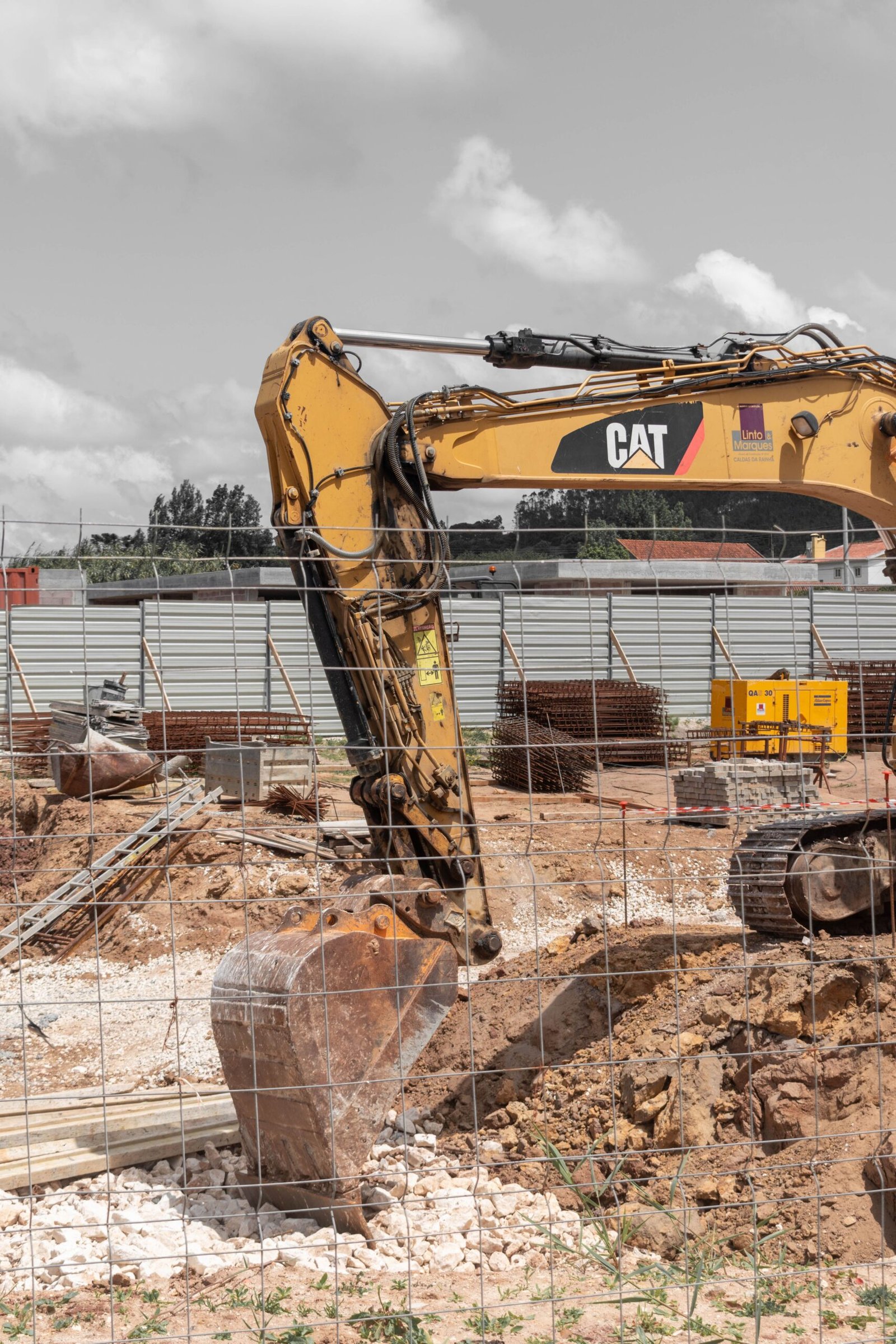
Let’s be real, most property owners don’t spend much time thinking about who digs up their land until the day they actually need somebody. Then it turns into a scramble. Phone calls, mismatched quotes, a neighbor’s cousin who “does a little dirt work on the side.” Truth is, picking the right excavating company in Winchester takes more homework than people expect, and the ones who skip it tend to learn why a year or two down the road. This piece walks through what actually separates a solid crew from an average one, what the work really involves, and where homeowners usually trip up when they’re hiring in a hurry.
Why The Hiring Decision Gets Rushed
Dirt work sits in an odd spot. It’s the first thing that has to happen on a project, but it’s also the least exciting part to talk about at dinner, so people treat it like a box to check instead of a decision that shapes everything after it. A homeowner will spend weeks comparing countertops and about ten minutes picking who prepares the ground underneath the house. That’s backwards. Foundation stability, drainage, how long a driveway holds up, all of it traces back to how well the groundwork got handled at the start.
What A Good Crew Actually Does Before Digging
Real work starts well before a machine moves. A decent crew walks the property first, checks how water naturally flows across it, looks at the soil, and asks what the owner plans to build or fix. Utility lines get located too, because hitting a gas or water line mid dig is a mess nobody wants. Skipping this assessment phase is basically guessing, and guessing with heavy equipment gets expensive fast. A crew that quotes a job without ever seeing the site is a red flag, plain and simple.
Local Soil Knowledge Is Not Optional
Winchester area ground isn’t uniform. Some lots sit on rocky patches, others on heavy clay that drains slowly and holds water, and a crew that’s mostly worked on different terrain can end up learning on somebody else’s property. Experience with the actual dirt in this region changes how grading gets planned, how deep footings go, even what equipment makes sense. The short answer is, years in business matters less than years working on this specific ground.
Services That Usually Come Bundled Together
Excavation rarely stands alone. Clearing brush and trees, rough grading, trenching for utilities, driveway base work, drainage correction, septic prep, they overlap constantly on a single property. Homeowners who hire separate people for each piece often end up with gaps between the phases, where one crew assumed the other handled something and nobody did. A company that covers the whole sequence tends to catch problems earlier, simply because the same people follow the project from start to finish. It also means one point of contact, one schedule, and fewer finger pointing conversations when something doesn’t line up the way it was supposed to.
Red Flags Worth Taking Seriously
A quote way lower than every other bid usually means something’s missing, and it surfaces mid project when it’s least fun. Vague answers about timelines are another one. So is a crew that gets cagey when asked how they’d handle hitting rock or old buried debris, which happens more than most people realize. Pressure to sign right now, before comparing anything, also deserves suspicion. Good companies don’t need to rush anybody into a signature. And honestly, a crew that’s confident in its pricing will usually explain exactly what’s included, line by line, without getting defensive about it.
Reaching Beyond The City Limits
People sometimes assume local means strictly inside city lines, but plenty of reliable crews cover a much wider area than their name suggests. A property just outside town, up toward the valley or farther along the corridor, often falls inside the same service range. An excavating company in Strasburg VA may share the same regional pool of experience with soil, permits, and terrain, which means owners in nearby communities aren’t stuck starting a brand new search from scratch.
Permits, Timelines, And Weather
Paperwork is part of the job whether anybody likes it or not. Grading permits, utility approvals, sometimes health department sign off when septic work’s involved, all of it can stretch a timeline if it’s not handled early. Weather plays a role too, more than most people plan for. Wet ground slows equipment, makes grading less accurate, and can turn a two day job into a week, sometimes longer if the forecast stays ugly. Homeowners are better off getting a realistic range upfront than a hard promise that falls apart the first rainy Tuesday.
Questions Worth Asking Before Signing
Skip the small talk. Ask how unexpected conditions get handled once digging starts, because something surprising shows up on most jobs eventually. Ask for references from work finished within the last year or so, not some project from a decade back. Ask how change orders are priced and communicated. A company that answers all of that clearly, without hedging or changing the subject, is usually the one worth trusting with the ground under a house.
Final Thoughts
Hiring for dirt work isn’t glamorous, and it’s easy to rush past while the exciting parts of a project steal the attention. Still, getting this one right saves a lot of money and frustration later. Check recent local work, insist on an actual site visit before final pricing, and don’t treat the lowest number as the smartest one by default. Property owners in the nearby area can also look at an excavating company in Strasburg VA for the same kind of regional experience, and anyone ready to compare real assessments to get started.