


Choosing new flooring sounds simple until you start looking at the options. Tile, hardwood, luxury vinyl plank, laminate, and natural stone all have their advantages. But the material that looks great in a living room may not be the best choice for a basement or bathroom. Every room has different conditions, and choosing the wrong flooring can create problems later.
This is where a professional tile installation company can help. Experienced flooring professionals look beyond color and appearance. They consider moisture, foot traffic, subfloor condition, maintenance, durability, and how the flooring will work with the rest of your home. The goal is not just to install something that looks good today. It should still make sense years down the road.
Why Does Each Room Need a Different Flooring Material?
Not every room puts the same demands on a floor. A kitchen deals with spills, dropped utensils, food stains, and regular cleaning. A bedroom usually has lighter foot traffic and needs to feel comfortable. Basements bring another concern: moisture.
Professional installers evaluate how each room is used before recommending a material. They also consider household routines. A home with children, pets, frequent visitors, or older family members may need different flooring from a household with fewer daily demands.
A few things usually influence the recommendation:
- Moisture exposure: Bathrooms, kitchens, and basements need careful material selection.
- Foot traffic: Entryways and hallways need surfaces that can handle regular use.
- Comfort: Bedrooms and living spaces often benefit from warmer, quieter flooring.
- Maintenance: Some materials need more cleaning and care than others.
- Long-term durability: Installation quality and material suitability both affect how long flooring performs.
The cheapest option is not always the most affordable over time. That is worth remembering.
How Installers Choose Flooring for Different Rooms
1. Kitchens: Prioritize Durability and Easy Cleaning
Kitchen floors deal with a lot. Water splashes, cooking spills, dropped dishes, chairs moving across the surface, and constant foot traffic are all part of everyday use.
Porcelain tile and luxury vinyl plank (LVP) are common options worth considering. Porcelain tile is dense, durable, and resistant to moisture. LVP offers a softer feel underfoot and comes in designs that resemble natural wood or stone.
A professional installer will also look at the existing subfloor and how it connects with nearby rooms. Uneven transitions between the kitchen and dining area can affect both appearance and safety.
The right choice depends on how much maintenance you want and what kind of look you’re trying to achieve.
2. Bathrooms: Moisture Resistance Comes First
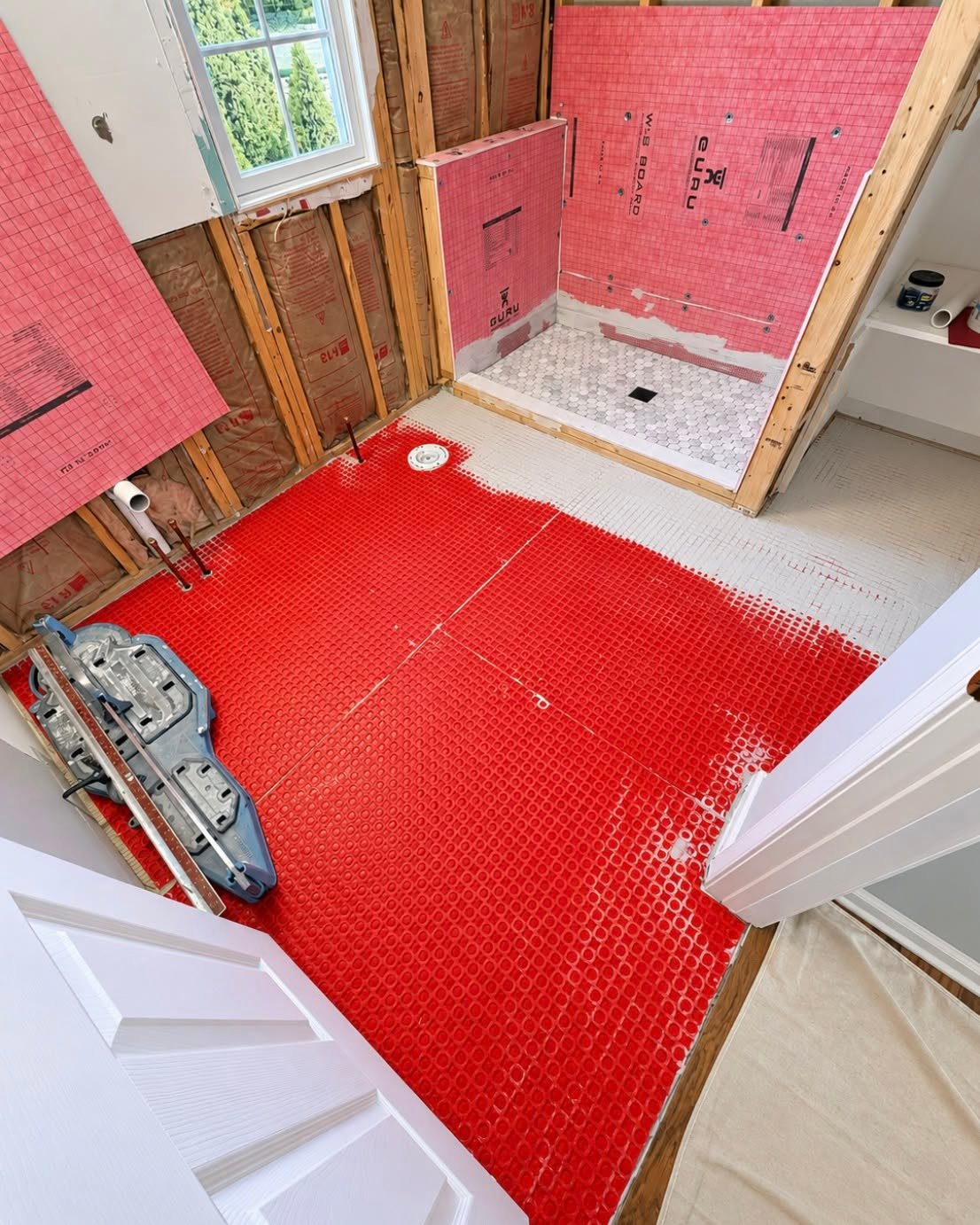
Bathrooms need flooring that can handle regular water exposure. Ceramic and porcelain tiles are popular because they are suitable for wet environments when correctly selected and installed.
However, choosing a water-resistant tile is only part of the job. Installers also need to consider the surface beneath it, waterproofing in relevant areas, grout selection, and proper installation methods.
For example, a polished tile may look attractive, but it might not provide the grip you want on a bathroom floor. A textured or appropriately rated slip-resistant surface may be a better option.
The same attention is needed when selecting shower tile. Wall tiles, shower floors, and bathroom floors do not necessarily need the same size, finish, or texture.
3. Living Rooms: Balance Appearance and Comfort
Living rooms are usually where homeowners have more freedom with design. Hardwood, engineered wood, LVP, laminate, and tile can all work depending on the home’s layout and lifestyle.
Hardwood creates a warm, natural appearance. Engineered wood offers a similar look with a different construction, while LVP provides a wood-inspired finish with easier maintenance.
Tile can also work well, especially in open-plan spaces where homeowners want consistent flooring across several areas.
Installers help narrow down these choices by considering furniture placement, natural light, room dimensions, and how the flooring will connect with adjacent spaces.
4. Bedrooms: Focus on Comfort and a Relaxed Feel
Bedrooms don’t usually experience the same moisture and heavy traffic as kitchens or entryways. Comfort, appearance, and noise are often bigger considerations.
Engineered hardwood, laminate, and LVP are all worth considering. Some homeowners prefer the natural warmth of wood-look flooring, while others choose carpet for a softer surface.
A flooring installer will consider the subfloor, room temperature, existing flooring in nearby spaces, and how much maintenance you’re comfortable with. If you’re continuing the same flooring from a hallway into the bedroom, matching the colors and transitions also matters.
5. Basements: Check Moisture Before Choosing Flooring
Basements need more attention than many homeowners realize. Even when a basement looks dry, moisture can still be present in the concrete slab or surrounding structure.
LVP and certain tile options are commonly considered for basement projects because they can handle moisture better than many traditional wood flooring products. However, no flooring material should be treated as a solution to an existing moisture problem.
Before installation, professionals should check the concrete surface, look for signs of moisture, and assess whether the subfloor needs preparation. Installing flooring over an unsuitable surface can lead to movement, damage, or other problems.
For Martinsburg homeowners planning to finish an unfinished basement, this step should happen before purchasing flooring.
What Do Professional Flooring Installers Check Before Recommending a Material?
A good flooring recommendation starts with the condition of the space, not a showroom display. Installers generally consider several practical details before moving forward.
Subfloor condition: The existing surface needs to be sufficiently clean, stable, and level for the selected flooring. Cracks, uneven areas, and loose sections may require preparation.
Moisture conditions: Concrete slabs, bathrooms, and basements need particular attention. Moisture testing or other appropriate checks may be necessary depending on the material and installation requirements.
Room transitions: Flooring should connect neatly between rooms. Height differences, doorways, and adjoining surfaces can influence material selection.
Maintenance expectations: Some homeowners don’t mind regular cleaning and occasional maintenance. Others want something straightforward. The recommendation should match the household, not just the design.
Budget and lifespan: Material price is only one part of the overall cost. Underlayment, surface preparation, removal of old flooring, installation, and future maintenance should also be considered.
Why Professional Guidance Matters When Comparing Flooring Materials
One common mistake homeowners make is choosing flooring based entirely on appearance. A material might look perfect in a sample, but that doesn’t mean it will perform well in the room where it’s being installed.
A professional installer can explain the differences between materials and point out details that are easy to overlook.
For example, large-format porcelain tile can create a clean, modern appearance, but it requires appropriate surface preparation and careful installation. Similarly, LVP may be easier to maintain, but the product’s specifications, subfloor requirements, and installation method still matter.
For homeowners planning Flooring installation Martinsburg WV, understanding these factors before buying materials can save time, money, and unnecessary repairs.
For homeowners considering flooring installation in Martinsburg, WV, local project experience can also help when discussing the conditions commonly found in different parts of a home, particularly older properties and basements.
Common Flooring Selection Mistakes to Avoid
Before making a final decision, watch out for these mistakes:
- Choosing flooring based only on color or current design trends.
- Ignoring moisture conditions in bathrooms and basements.
- Forgetting to check subfloor preparation requirements.
- Selecting slippery finishes for frequently wet areas.
- Overlooking transitions between different flooring materials.
- Comparing material prices without considering installation costs.
- Buying flooring before confirming the room’s measurements and installation requirements.
A little planning upfront can prevent a lot of frustration later.
Frequently Asked Questions
1. Which flooring material is best for the entire house?
There isn’t one perfect material for every room. Porcelain tile may work well in bathrooms and kitchens, while LVP, hardwood, or engineered wood may suit living spaces and bedrooms better.
2. Is tile better than LVP for basement flooring?
Both can be suitable, depending on the basement conditions. Tile is durable and moisture-resistant, while LVP offers a softer surface. The concrete slab and moisture conditions should be checked before choosing either.
3. How do I know if my subfloor is ready for new flooring?
The subfloor should meet the selected material’s requirements for flatness, stability, and moisture. A professional installer can inspect it and identify repairs or preparation needed before installation.
4. Should I choose flooring before or after planning my interior design?
It’s better to consider flooring alongside your overall interior design. Cabinet colors, wall finishes, furniture, and lighting can all influence which flooring material and shade will work best.
Conclusion
Choosing flooring is about more than finding a material that matches your interior. Each room has different requirements, and the right choice depends on how the space is used, its moisture conditions, maintenance needs, and the existing surface.
Professional guidance makes these decisions easier. Whether you’re updating one room or planning a larger renovation, Integrity Tile & Home helps Martinsburg homeowners consider practical flooring options alongside the overall design of their homes. A good floor should look right, work for your daily routine, and hold up to everyday use.