


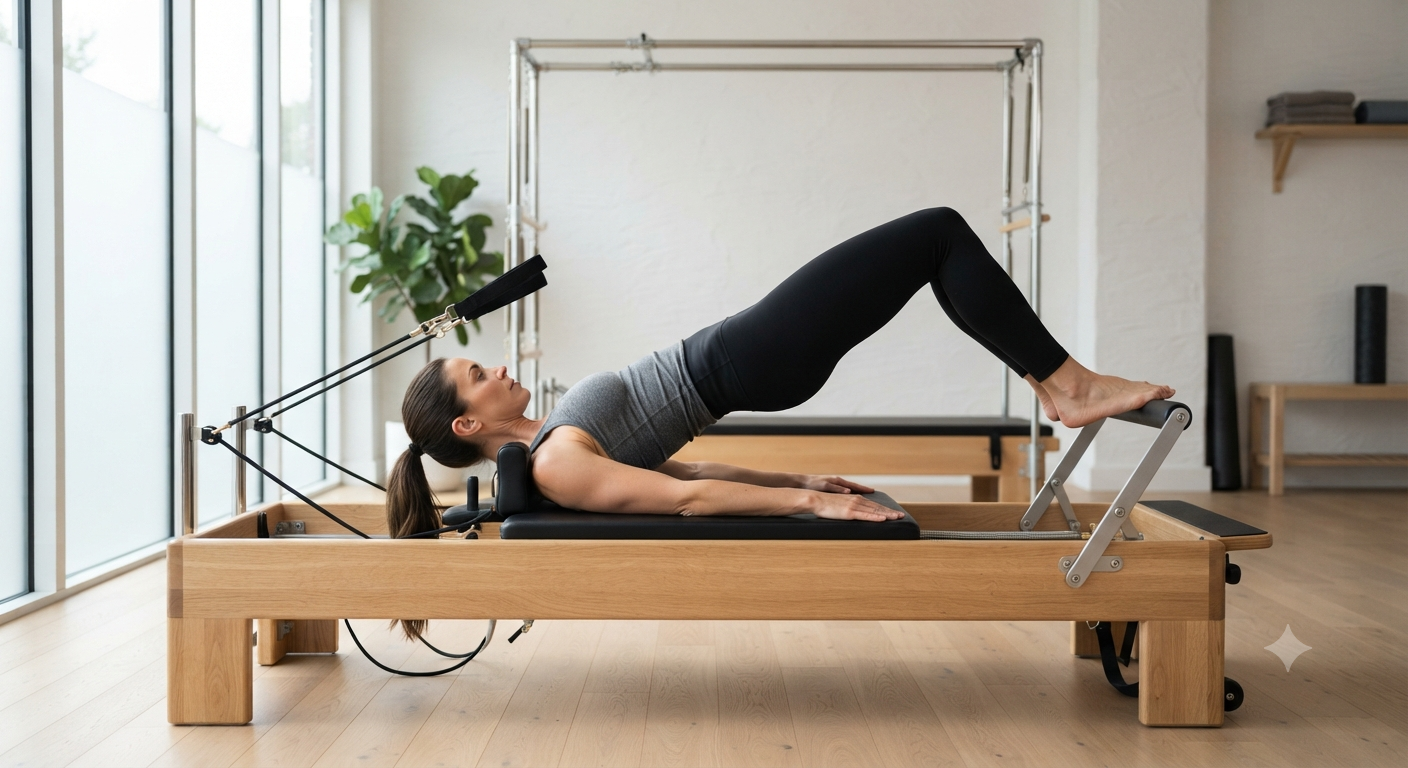
Have you ever noticed how some Pilates movements look easy until you actually try them? You might be lying on the mat, following the instructor, and suddenly realize that controlling your spine takes more effort than expected. That is where pilates San Antonio TX can become an important part of your fitness journey. As we move into advanced Pilates exercises, it is not just about stretching, bending, or holding a position. We need to understand how different parts of our spine move together.
Segmental spinal control is all about moving the spine one section at a time instead of treating it like one stiff unit. Sounds simple, right? Well, there is a little more to it!
What Exactly Is Segmental Spinal Control?
Our spine is made up of several small bones called vertebrae. These bones work together to help us bend, twist, stretch, and maintain balance. Segmental control means learning to move these areas smoothly and with intention.
Think about slowly rolling your back down onto a mat, one section at a time. Instead of dropping your entire back at once, you control each part as it touches the surface. This is a simple example of segmental movement.
In advanced Pilates, this skill becomes especially useful because exercises often involve more challenging positions, controlled spinal movements, and deeper core engagement.
Why Does It Matter in Advanced Pilates Exercises?
When we move, our spine needs both flexibility and control. Having flexibility alone is not enough. We also need to guide our movements without rushing or putting unnecessary pressure on certain areas.
Here are a few reasons why segmental spinal control matters:
1. It Encourages Better Movement Control
Imagine performing a spinal roll without letting gravity do all the work. You need to slow down, engage your muscles, and pay attention to how each section moves. This helps us become more aware of our bodies during exercise.
2. It Supports Core Engagement
Our abdominal muscles play an important role in controlling spinal movement. When we move through different spinal positions, the core helps support the body and maintain control. It is not about keeping the stomach tight all the time. It is about knowing when and how to use those muscles.
3. It Helps Improve Movement Flexibility
A stiff spine can make certain exercises feel uncomfortable or difficult. Practising controlled spinal movements encourages smoother motion through different sections of the back. We gradually learn to move with less stiffness and more confidence.
How Does It Influence Everyday Movement?
Here is something worth thinking about. We do not only use our spine during Pilates. We use it when getting out of bed, picking something up, reaching for a shelf, or turning to look behind us.
When we understand how to control different spinal sections, everyday movements can feel more natural and coordinated.
This is one reason people enjoy adding Pilates to their regular fitness routine. Alongside other workout classes San Antonio, Pilates offers an opportunity to focus on controlled movement rather than simply completing as many repetitions as possible.
And honestly, sometimes slowing down is exactly what our bodies need.
Which Pilates Exercises Develop Segmental Control?
Several Pilates exercises can help us practise this skill. The key is to focus on the movement instead of trying to make it look impressive.
- Pelvic Curls: These encourage controlled movement through the lower spine while engaging the core and glutes.
- Spinal Articulation: Rolling the spine gradually helps us understand how different sections move.
- Roll Down Exercises: These challenge our ability to bend forward slowly while maintaining awareness.
- Cat-Cow Movements: These encourage controlled spinal flexion and extension.
- Short Spine Massage: This advanced reformer exercise requires coordination, control, and careful movement through the spine.
We should always choose exercises that match our current ability. Advanced movements are not something we need to rush into.
How Can We Improve Segmental Spinal Control?
Start with the basics. Practise slow movements, breathe naturally, and avoid forcing your spine into positions that feel uncomfortable.
Working with a knowledgeable Pilates instructor can also help. They can guide your posture, suggest suitable modifications, and help you understand where your movement needs more control.
Most importantly, do not compare your progress with someone else’s. One person may find spinal articulation easy, while another needs more practice. Both are perfectly fine.
Final Thoughts
Segmental spinal control might not sound like the most exciting part of Pilates, but it makes a real difference when exercises become more challenging. It teaches us to move with awareness, coordinate our muscles, and build better control throughout the body.
At inBalance Studio, we believe Pilates should be about more than completing movements. It is about understanding your body, improving your movement habits, and feeling more confident with every session. Take your time, enjoy the process, and remember… good movement is not about rushing. It is about control.
Frequently Asked Questions
1. What is segmental spinal control in Pilates?
Segmental spinal control is the ability to move different sections of the spine separately and smoothly. It helps improve movement awareness, coordination, and control during Pilates exercises.
2. Why is spinal articulation important in advanced Pilates?
Spinal articulation helps us develop better control over bending and straightening movements. It also encourages smoother movement through different areas of the spine.
3. Can beginners practise segmental spinal control?
Absolutely! Beginners can start with simple exercises like pelvic curls and gentle cat-cow movements before moving towards more advanced exercises.
4. Does segmental spinal control help improve posture?
It can support better posture awareness by helping us understand how the spine moves and how our muscles contribute to body alignment.
5. How often should we practise spinal control exercises?
It depends on your fitness level and routine. Practising controlled movements during regular Pilates sessions can help develop coordination over time. Always work within your comfort level and seek instructor guidance when needed.