


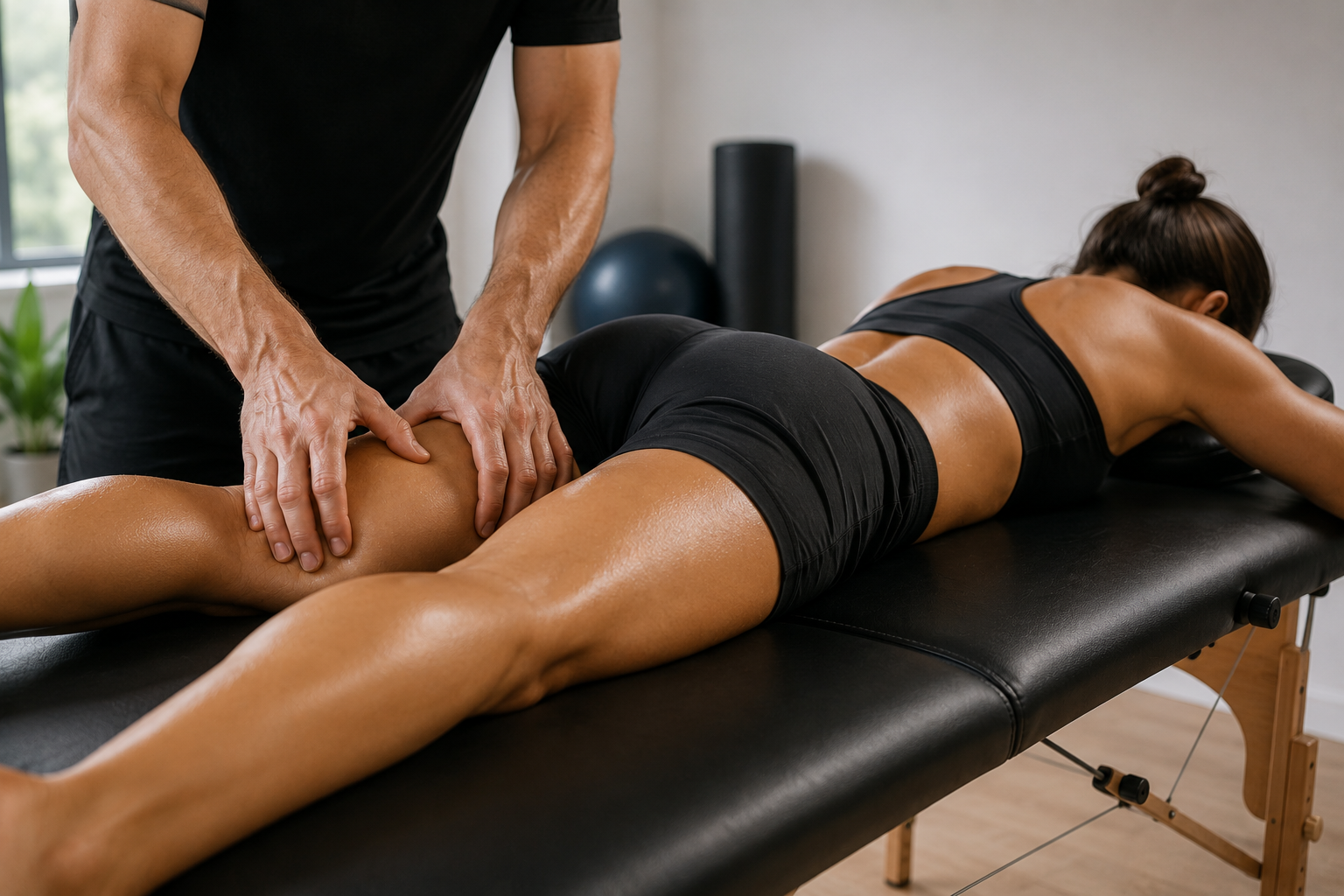
Finding the right professional massage therapy can be an important part of creating a regular self-care and wellness routine. At Acupressure massage therapy, clients can explore hands-on approaches designed to promote relaxation, ease everyday muscle tension, and support a greater sense of well-being. Whether you are looking for relaxation after a busy week or a therapeutic approach focused on specific areas of tension, understanding the available massage techniques can help you choose an option that suits your needs.
What Is Professional Massage Therapy?
Professional massage therapy involves hands-on techniques performed by a trained practitioner to work with the body’s soft tissues, including muscles and other connective tissues. Different techniques can vary in pressure, rhythm, movement, and the areas they target.
People may choose massage for several reasons, including:
- Relaxation and stress management
- Everyday muscle tension
- Post-workout recovery
- General wellness
- Improving feelings of physical comfort
- Supporting a regular self-care routine
- Taking time away from a busy schedule
Massage is not a replacement for medical diagnosis or treatment. If you have a medical condition, recent injury, unexplained pain, or other health concerns, discuss whether massage is appropriate with a qualified healthcare professional.
Benefits of Professional Massage Therapy
A massage session can provide a dedicated period of relaxation while addressing areas where people commonly experience tension. Many clients enjoy massage because it combines physical touch with a calm environment and time away from everyday responsibilities.
Potential wellness benefits may include:
Relaxation
Massage can create a calming experience and may help you unwind after work, exercise, travel, or other demanding activities.
Muscle Comfort
Gentle or moderate massage techniques can help address areas that feel tight or fatigued. Practitioners can adjust pressure according to your preferences and the type of session.
Stress Management
Taking time for a massage may become part of a broader stress-management routine alongside adequate sleep, physical activity, relaxation techniques, and healthy habits.
Self-Care
Regular massage can provide an opportunity to focus on your physical comfort and overall wellness rather than waiting until you feel overwhelmed.
Acupressure and Massage: Understanding the Combination
Acupressure and massage combine elements of traditional pressure-based techniques with hands-on massage movements. Acupressure generally involves applying pressure to specific points of the body, while massage can involve techniques such as kneading, gliding, compression, and other movements.
A practitioner may use different levels of pressure depending on the treatment style and the client’s comfort.
People interested in this approach may appreciate the combination of:
- Targeted pressure
- Muscle-focused massage
- Relaxation techniques
- Rhythmic movements
- A personalized session
- Attention to areas of physical tension
Communication is important throughout the appointment. Let your practitioner know if the pressure feels uncomfortable, too strong, or otherwise unsuitable.
Therapeutic Thermal Acupressure Massage Therapy
Therapeutic thermal acupressure massage therapy combines massage and acupressure concepts with the use of therapeutic warmth. Heat can create a soothing sensation and may help clients feel more relaxed during a massage session.
Depending on the treatment approach, warmth may be incorporated into the session alongside massage or pressure-based techniques.
A thermal massage experience may be appealing for people who enjoy:
- Warmth and relaxation
- Gentle muscle-focused techniques
- A calming environment
- Acupressure-inspired treatments
- A wellness-focused experience
However, heat-based treatments are not suitable for everyone. People with certain medical conditions, reduced heat sensitivity, circulation concerns, skin problems, or other health issues should seek appropriate professional advice before receiving heat-based treatments.
Acupressure Massages for Everyday Wellness
Acupressure massages can be incorporated into a wellness routine for people who enjoy pressure-based bodywork. The practitioner may apply pressure to selected points while combining it with massage movements.
Sessions can vary significantly depending on the practitioner’s approach and the client’s preferences.
A session may focus on:
- Neck and shoulders
- Back
- Arms and hands
- Legs
- Feet
- Other areas where the client experiences everyday tension
The purpose and intensity of treatment should be discussed before the session so expectations are clear.
What Happens During a Professional Massage Session?
A professional massage appointment generally begins with a short consultation. The practitioner may ask about your goals, areas of tension, pressure preferences, and relevant health information.
The session may then involve:
- Initial consultation – Discuss your goals and any areas you want the practitioner to focus on.
- Treatment planning – The practitioner selects appropriate techniques based on the session.
- Massage – Hands-on techniques are applied while you remain appropriately covered and comfortable.
- Communication – You can provide feedback about pressure, temperature, positioning, or comfort.
- Aftercare discussion – Your practitioner may suggest hydration, gentle movement, or relaxation following the appointment.
Every session can be different, so communicating openly with the practitioner is essential.
Choosing the Right Massage Technique
There is no single massage technique that is ideal for everyone. Your choice can depend on whether your primary goal is relaxation, general wellness, muscle comfort, or exploring pressure-based techniques.
Consider the following:
For relaxation: A gentle massage with slow, rhythmic movements may be preferable.
For muscle tension: A practitioner may use more focused techniques, depending on your needs and comfort.
For acupressure: Discuss whether pressure-point techniques are included in the practitioner’s approach.
For warmth and relaxation: A thermal massage may be worth discussing if it is appropriate for you.
A professional practitioner should explain the treatment rather than promising guaranteed results.
How Often Should You Get a Massage?
The ideal massage frequency depends on your individual goals, lifestyle, budget, and response to treatment. Some people enjoy occasional sessions when they feel they need time to relax, while others incorporate massage into a regular wellness routine.
You do not necessarily need frequent appointments to benefit from taking time for self-care. A sustainable schedule is usually more practical than booking sessions simply because they are available.
If you are receiving massage for a specific physical concern, discuss an appropriate schedule with your healthcare provider or qualified practitioner.
Preparing for Your Massage Appointment
A little preparation can make your appointment more comfortable.
Before your session:
- Stay hydrated according to your normal routine.
- Avoid arriving immediately after a very heavy meal.
- Wear comfortable clothing for travelling to and from the appointment.
- Tell your practitioner about relevant health concerns.
- Explain areas you would prefer to avoid.
- Communicate your preferred pressure level.
If you have an injury, recent surgery, chronic medical condition, pregnancy, or another health concern, ask an appropriate healthcare professional whether massage is suitable before booking.
Safety and Communication Matter
Professional massage should be comfortable and respectful. You should always feel able to communicate with your practitioner during the session.
Tell your practitioner if:
- The pressure is painful
- The temperature feels too hot
- You feel uncomfortable
- You experience unusual symptoms
- You want a particular area avoided
Massage should not be used to push through severe or unexplained pain. If you experience persistent, severe, or unusual symptoms, seek appropriate medical evaluation.
Creating a Regular Wellness Routine
Massage can work well as one part of a broader wellness routine. Other healthy habits can include regular physical activity, balanced nutrition, sufficient sleep, hydration, and stress-management practices.
You can also complement massage with simple activities such as:
- Gentle stretching
- Walking
- Breathing exercises
- Relaxation periods
- Appropriate strength training
- Regular breaks from sitting
A balanced approach can help you make wellness more sustainable rather than depending on a single treatment.
Professional massage therapy can provide a relaxing and personalized experience for people who want to make massage part of their wellness and self-care routine. From traditional hands-on techniques to acupressure and massage, therapeutic thermal acupressure massage therapy, and acupressure massages, different approaches can address different preferences and comfort levels.
At Acupressure massage therapy, discussing your goals, preferred pressure, and relevant health information before treatment can help create a more comfortable experience. Choose a qualified practitioner, communicate throughout your session, and seek appropriate medical advice when you have health concerns or unexplained symptoms.