


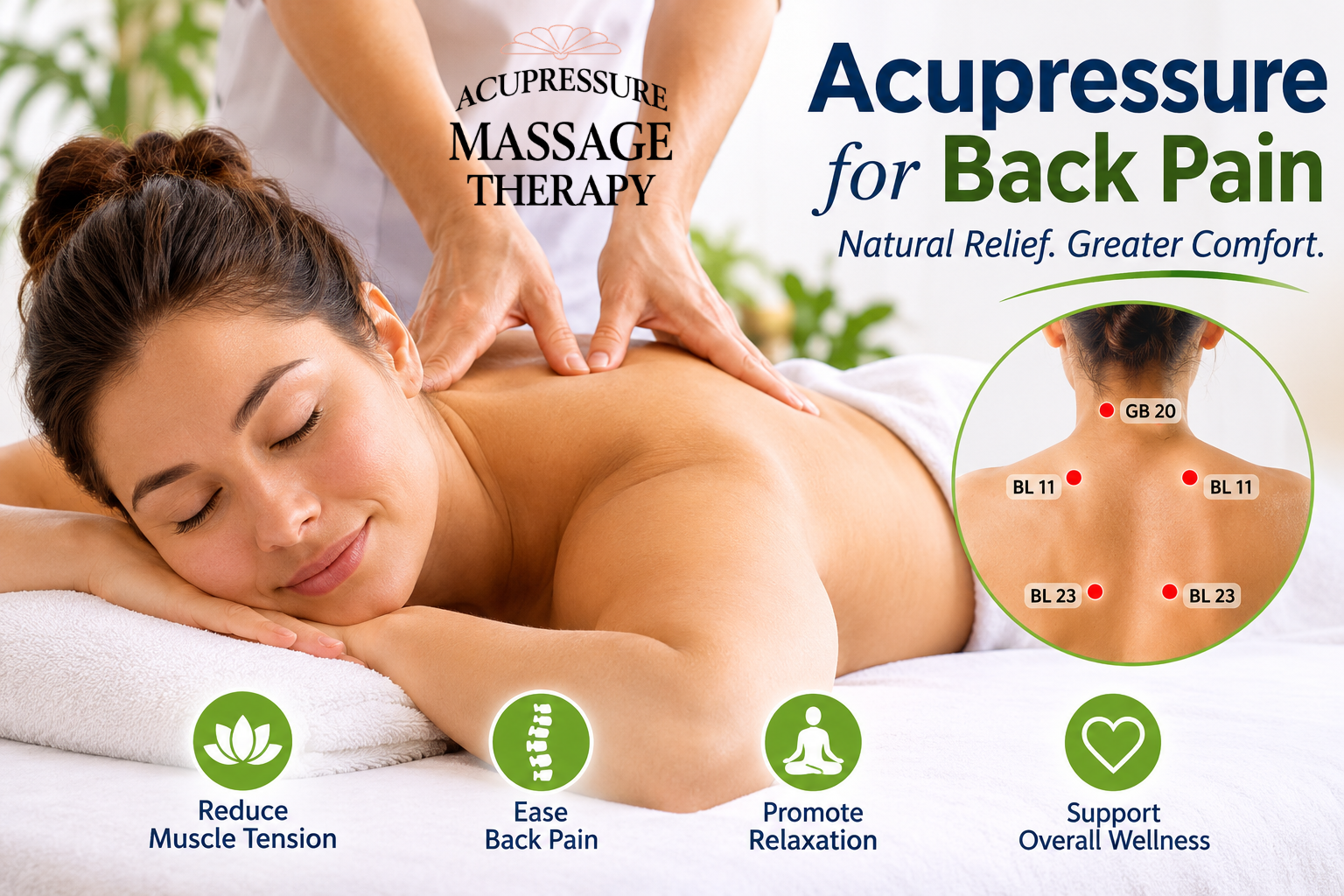
Busy schedules, long working hours, and physically demanding activities can make it difficult to prioritize personal wellness. Whether you spend most of your day sitting at a desk, work in a demanding profession, or regularly participate in sports and fitness activities, taking time to relax and care for your body is important. Professional massage therapy offers a hands-on approach to relaxation and general wellness through different massage techniques tailored to individual preferences.
From gentle Swedish massage to focused deep tissue techniques and traditional acupressure, professional massage sessions can provide different experiences depending on your needs and comfort level. Understanding the available options can help you choose a massage approach that fits your lifestyle.
What Is Professional Massage Therapy?
Professional massage therapy involves hands-on techniques performed by a trained massage practitioner. These techniques may include stroking, kneading, rubbing, and applying pressure to muscles and other soft tissues.
People commonly explore massage as part of their wellness routines because it can encourage relaxation, provide temporary relief from muscle tension, and create an opportunity to step away from everyday responsibilities.
Unlike basic self-massage, professional sessions provide an opportunity to discuss your preferences with a practitioner who can adjust techniques and pressure according to your comfort.
Professional massage therapy can include several approaches, such as:
- Swedish massage.
- Deep tissue massage.
- Acupressure massage.
- Hot stone massage.
- Aromatherapy massage.
- Reflexology.
- Couples massage.
Each approach offers a different experience, so understanding the available techniques is a useful first step.
Potential Benefits of Professional Massage Therapy
People choose massage for different reasons, depending on their lifestyle, preferences, and wellness goals. Although research varies across massage techniques and health conditions, massage may offer several potential benefits.
1. Encourages Relaxation and Stress Management
Work responsibilities, family commitments, and busy schedules can make it challenging to find time to unwind. A massage session creates dedicated time for relaxation and personal care.
Many people enjoy the calming experience of massage and include it in their regular wellness routines.
2. Supports Muscle Comfort
Spending extended periods sitting, standing, or performing repetitive activities can contribute to feelings of muscle tightness.
Massage techniques may help promote relaxation and temporary relief from everyday muscle tension. A practitioner can discuss pressure preferences and focus on areas that feel tight or uncomfortable.
3. Complements an Active Lifestyle
Sports and fitness enthusiasts regularly place physical demands on their bodies. Exercise, strength training, and sports activities make proper rest and recovery important.
Massage may complement a balanced recovery routine by providing relaxation and helping individuals manage feelings of muscle tightness. It should not replace appropriate injury assessment or rehabilitation.
4. Encourages Consistent Self-Care
Personal wellness is not limited to exercise and healthy eating. Taking time to relax can also be an important part of a balanced lifestyle.
Scheduling a massage session may help working professionals, office employees, and active individuals make relaxation a regular priority.
Different Types of Professional Massage Therapy
One advantage of professional massage therapy is the variety of techniques available. Each style has its own approach, pressure level, and overall experience.
Acupressure Massage
Acupressure massage involves applying pressure to selected points on the body using fingers, thumbs, or palms. It is rooted in traditional Chinese medicine and is often explored as a complementary wellness practice.
People interested in pressure-point techniques may consider acupressure as part of a personalized massage experience.
Deep Tissue Massage
Deep tissue massage uses more focused pressure and slower strokes to work with deeper muscle layers. Some people prefer this approach when they want a firmer massage experience.
Pressure should always remain appropriate for the individual’s comfort and health circumstances.
Swedish Massage
Swedish massage commonly uses flowing strokes, kneading, and gentle movements. It is often chosen by people who prefer a relaxing massage experience.
It may be an appropriate option for clients who are new to professional massage.
Hot Stone Massage
Hot stone massage incorporates warmed stones into massage techniques. The warmth and gentle movements create a distinctive relaxation experience.
Clients should communicate any sensitivity to heat before treatment.
Aromatherapy Massage
Aromatherapy massage combines massage techniques with aromatic essential oils. People who enjoy pleasant scents may find this approach appealing as part of their relaxation routine.
Clients should mention allergies or sensitivities before the session.
Reflexology and Craniosacral Therapy
Reflexology uses pressure techniques on specific areas of the feet or hands. Craniosacral therapy is a gentle, hands-on approach.
Both provide different experiences from conventional full-body massage and may appeal to people exploring complementary wellness services.
Understanding Massage Acupressure Techniques
Massage acupressure combines targeted pressure-point techniques with massage movements. Practitioners may use their fingertips, thumbs, or palms to apply controlled pressure to selected areas.
Traditional Chinese medicine associates these points with pathways known as meridians. Although these traditional explanations are not fully established by modern science, acupressure continues to be explored as a complementary approach to relaxation and wellness.
Common techniques may include:
- Applying gentle pressure to selected points.
- Using circular fingertip movements.
- Applying controlled thumb pressure.
- Incorporating rhythmic massage movements.
- Adjusting pressure according to individual comfort.
The approach may vary depending on the practitioner’s methods and the client’s preferences.
Acupressure and Massage: Understanding the Difference
Acupressure and conventional massage are related but have different approaches.
Acupressure focuses on applying pressure to selected points on the body. Conventional massage often uses broader movements, such as kneading, stroking, and rubbing, to work with soft tissues.
Combining acupressure and massage techniques can provide a different experience from using either approach alone. The techniques selected depend on the massage service and individual comfort.
For example, a practitioner may incorporate targeted pressure-point methods into a broader massage session. Clients should discuss their preferences before treatment so that appropriate techniques and pressure levels can be considered.
Professional Massage Therapy for Different Lifestyles
Massage preferences can vary depending on work routines, physical activity, and personal wellness goals.
For Working Professionals
People with demanding jobs often have limited opportunities to relax. Long working hours, busy schedules, and everyday responsibilities can make personal care difficult to prioritize.
A massage session can provide dedicated time to unwind and enjoy a break from daily demands.
For Office Employees
Office employees may spend several hours sitting at a computer or performing repetitive tasks. Regular movement breaks, comfortable workstation arrangements, and physical activity are important parts of maintaining a balanced routine.
Some people also explore massage to relax areas that feel tight after desk-based work.
For Sports and Fitness Enthusiasts
People who regularly participate in exercise or sports may be interested in massage as part of their wellness and recovery routines.
Different massage techniques offer different pressure levels and experiences. A practitioner can discuss preferences and help clients understand suitable options. New injuries, persistent pain, or swelling should be evaluated by an appropriate healthcare professional.
For Men and Women
Men and women may have different massage preferences depending on their comfort levels and wellness goals.
Some people prefer gentle relaxation techniques, while others enjoy firmer pressure. A personalized approach allows clients to communicate their preferences rather than choosing a treatment based only on its name.
What to Expect During a Professional Massage Session
Knowing what happens during an appointment can make the experience more comfortable, especially for first-time clients.
1. Initial Consultation
The practitioner may ask about your massage preferences, wellness goals, and any areas of concern. You should also mention relevant health conditions, allergies, injuries, or other medical considerations.
2. Discussing Pressure Preferences
Everyone responds differently to massage pressure. Some clients prefer gentle movements, while others are comfortable with firmer techniques.
Communicating your preferences helps the practitioner make appropriate adjustments.
3. Selecting the Massage Technique
Depending on the available services and your preferences, you may choose from different massage approaches.
The practitioner can explain the techniques and help you understand what each service involves.
4. The Massage Experience
During the session, the practitioner uses the selected techniques while considering your comfort.
You should feel comfortable asking for a pressure adjustment or explaining if a particular technique feels uncomfortable.
5. After the Session
Take time to relax after your massage and follow any appropriate aftercare guidance. If unusual or persistent discomfort occurs, seek advice from a healthcare professional.
How to Choose the Right Professional Massage Therapist
Choosing a massage provider is an important part of having a comfortable and appropriate experience.
Consider these factors before scheduling an appointment:
- Experience: Look for relevant professional experience and knowledge of massage techniques.
- Training: Check the practitioner’s qualifications and applicable professional credentials.
- Personalized Care: Choose someone who listens to your preferences and wellness goals.
- Communication: A professional should explain techniques and discuss pressure levels.
- Cleanliness: Consider the hygiene and comfort of the treatment environment.
- Available Services: Review the massage options to find an approach that suits your preferences.
- Safety: Share relevant medical information before receiving treatment.
A practitioner who values communication and individual comfort can help create a more positive massage experience.
Is Professional Massage Therapy Suitable for Everyone?
Massage is suitable for many adults, but certain techniques may not be appropriate for everyone.
People with recent injuries, fractures, skin conditions, blood-clotting concerns, or other medical conditions should seek appropriate advice before receiving massage. Pregnancy may also require additional precautions and a practitioner with suitable training.
Pressure should never cause significant pain. Massage should be considered a complementary wellness practice rather than a substitute for medical diagnosis or prescribed treatment.
If you experience persistent pain, unexplained symptoms, or an ongoing medical concern, consult a qualified healthcare professional.
Find Professional Massage Therapy in Selinsgrove, PA
Choosing a massage provider who understands your preferences can make your experience more comfortable and enjoyable.
At Acupressure Massage Therapy, clients can explore a variety of massage therapy services in a welcoming environment focused on personalized care. With nearly 30 years of experience in acupressure techniques, the business offers different massage options, including acupressure massage, deep tissue massage, Swedish massage, hot stone massage, aromatherapy, reflexology, and couples massage.
Couples can also enjoy a shared massage experience with two therapists in the same room. Whether you are a working professional looking for time to relax or a fitness enthusiast interested in including massage in your wellness routine, exploring the available services can help you identify an option that matches your preferences.
Discover personalized massage experiences at Acupressure Massage Therapy, located in Selinsgrove, Pennsylvania. Explore the available services and contact the team to learn more or schedule an appointment.