


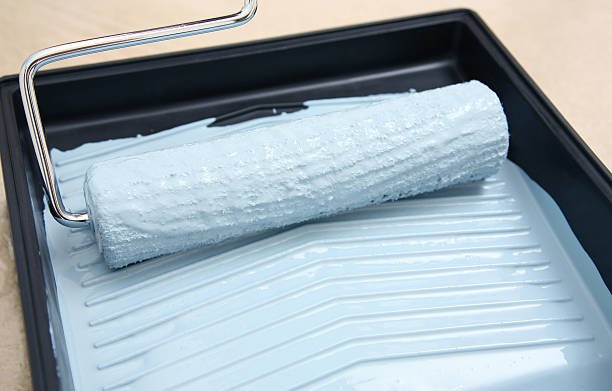
Epoxy coatings are known for providing durable, smooth finishes to floors, countertops and other surfaces. Unfortunately, this requires more than simply purchasing a quality coating product. As with any coating, finishing products make a difference. A roller cover suited for dry wall paint can still create problems in applying epoxy coating to a surface. You may encounter bubbles, fibers or uneven coating application. The effort it takes to prepare the surface for epoxy sometimes feels like all the effort that goes into the best possible finish. Using a good epoxy glide roller cover will help you gain greater control of the application process, but is worth the investment in preparing everything else before you get your mixing done.
Verify If the Roller Cover Is Suitable for Epoxy
Not every roller is prepared to roll epoxy. Some rollers will absorb too much of the epoxy, and others have trouble with softening and shedding, or even with reacting negatively to the chemical composition of the epoxy. Variations in the surface of the coating can make roller-aided spreading difficult, so it is critical to select the correct roller for each project. Always check the information on the roller package to see whether the product is recommended for two-part epoxy or other high-build coating compositions. Polyester or woven fabric materials are the norm for coating applications, but they still aren’t guaranteed safe to use with epoxy. A roller that looks heavy-duty might not be a good choice. Check the package information for any mention of epoxy, or consult with your supplier before risking it. If a fiber gets trapped in the coating, trying to pull it free after the epoxy has started to set is a nightmare.
Choose the Right Nap Length for the Surface
NAP LENGTH How much coating a roller will hold and how much it will leave on the surface is all related to the length of the nap. Longer naps typically hold more epoxy and will leave behind a thicker roller pattern. Shorter naps are better suited to smooth floors, sealed concrete, and counter tops as they will give you a more uniform finish without leaving a heavy texture. Longer naps will be helpful on rough concrete if the coating needs to get down into the pores and fill the uneven areas. So no matter how much epoxy a roller will hold don’t assume the more epoxy on the roller means a better roller cover. It may cause your roller to leave a lot of patchy areas, roller burn lines, and roller overlap marks. For a garage floor after you’ve ground it and have a well prepared surface a shorter or medium nap could be just what you need.
Check the Roller for Lint and Damage
A roller cover that is used on a floor (as opposed to smooth painting) needs to be clean, in good shape, and free of stray material before the epoxy ever goes on. Those stray fibers will catch in the fresh material and stay there, even after curing. (This is much more easily seen on high gloss areas that show every tiny flaw.) Run your hand lightly across the cover and look for shedding or frayed edges or fabric, and discard if needed. If a new roller, pick it apart according to the manufacturer’s directions to remove excess manufacturing fiber, or for a professional with a new roller, they will take a piece of tape and scrub the surface in an effort to lift any surface lint. Do not use a roller that has been used with incompatible paint, solvent, or other coating. The spare material is going to go into the floor, and you do not want to contaminate your floor with leftover material.
Get to Know the Thickness and Working Time of the Epoxy Coating
Epoxy products are not all created equal. Some are runnier and require a roller cover that allows the product to transfer to the surface easily without a lot of downward pressure. Look at the technical data sheet for the product for instructions, suggested tools and coverage rates. Time is important too. Most two-part epoxy coatings only have a pot life a certain time after you mix the resin and hardener. As the cure process begins, the thickens and becomes hard to spread. An inexpensive, thin roller is going to contribute to the rolling time required to create the desired result because you will need to go back and fix all of the bare spots. Be prepared and have your equipment ready before you mix.
Prepare the surface before you roll on the epoxy
Even the best roller will not overcome bad surface prep. Concrete floors should be free of dirt, grease, loose chips and old coating remnants and be clean, dry and free of dust. Depending on the epoxy system you are applying, the concrete may also have to be mechanically ground or prepared with some other approved prepping method to increase its adhesion. Moisture issues should also be identified and addressed. Although concrete may appear dry, moisture could be present below the surface, causing bubbles, peeling or coating failure. Always follow the coating manufacturer’s moisture testing protocol rather than judging the surface visually. Repair gouges and cracks, then clean and vacuum the surface, making sure any cleaning products are eliminated. A clean surface will make your roller application easier and the epoxy will have the best chance of bonding well.
Check Roller Size, Handle Quality, and Application Control
Another detail to consider is the width of the roller. Wider rollers cover larger spaces more quickly, but may be difficult to control in tight spots. A smaller roller is easier to navigate around corners, edges, drains, and other obstacles. Many projects require both. Make sure the roller cover fits securely on the frame and doesn’t slip as you roll. A loose fit can result in uneven pressure, which will make it harder to apply an even coating. Make sure the handle is comfortable and you can move easily without putting your hand into uncomfortable positions or having to maintain a firm grip at all times. An extension pole is a worthwhile addition if you’ll be coating a large area. It will save you from unnecessary movement and help you apply an even, consistent coat. Simple, small equipment details, but they go a long way in working against the clock of epoxy curing.
Examine the Roller Prior to Covering the Whole Area
Prior to rolling the epoxy over the entire floor, try the roller on a small tested area. Use an approved method to prepare a small section of the surface to be coated (such as a sample panel). Observe whether the coating readily transfers with the roller and whether the cover leaves lint or sticks, bubbles, streaks or other texture behind. Confirm whether the roller can hold enough coating without saturating and dripping or leaving heavy globs behind. This is also a good time to see how much pressure is necessary – use enough pressure to evenly apply the material, but not so much that it pushes excess coating around and creates a wrinkled, spider-web effect. If the roller begins to catch and drag, stop and address the problem rather than continue onto the entire floor. It’s unlikely this small test will identify every issue, but it will reveal obvious problems. Follow coating manufacturer instructions when testing coating for application time and curing time.
Choose the Right Roller for the Job for a Better Finish
Choosing the best roller for epoxy is an art, and ultimately comes down to the formulation of the coating, the surface of your floor, and the kind of finish you want. A smooth floor surface like a concrete slab may require a very different roller cover from a rougher surface like a workshop floor. A thin coating of epoxy and a self-leveling two-part system also shouldn’t be applied with the same tools. Be sure to check the epoxy product instructions for the recommended roller material and nap length, and the best application process, before you make your purchase. Consider how much time you have to roll the coating on, and if there are challenging edges, corners, or large exposed areas that will need to be covered.
Conclusion
Using the right roller cover on an epoxy surface starts with checking a few basic things. Material compatibility, nap length, fiber shedding, surface preparation, and the coating’s working time all deserve attention. Roller size and handle quality matter too, particularly on larger floors where maintaining an even application can become tiring. Most importantly, don’t assume every paint roller can handle epoxy. These coatings have different requirements, and the tools should match them. Read the product instructions, inspect your equipment, and test the roller before committing to the entire surface. It takes a little extra effort upfront, sure. But a smoother application, fewer defects, and a more reliable finish make that preparation worthwhile.