


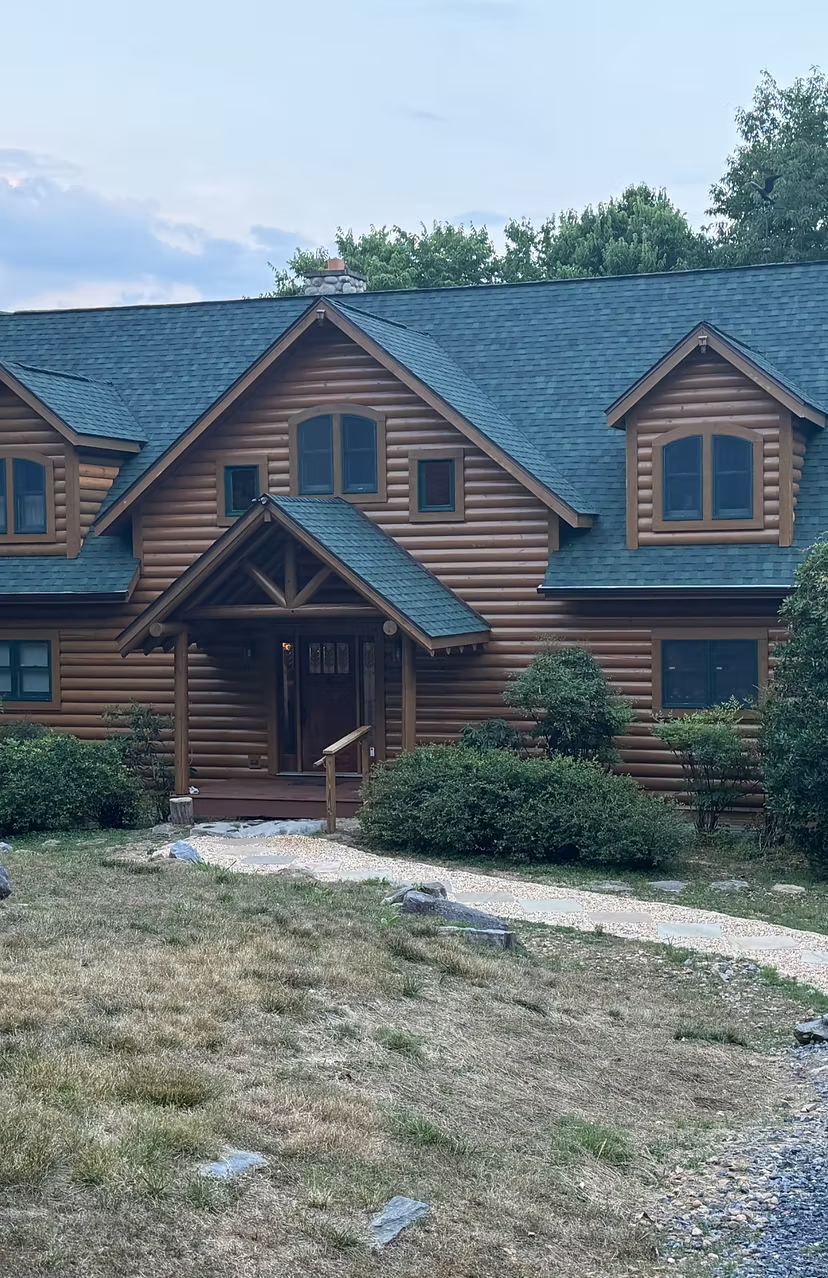
Owning a log home has its own charm. The natural wood, rustic appearance, and warm atmosphere make these homes different from ordinary houses. But wood also comes with responsibilities. It is exposed to rain, sunlight, changing temperatures, insects, and moisture throughout the year. Over time, these elements can cause damage if regular maintenance is ignored. One of the biggest concerns for homeowners is dealing with damaged or decaying logs. Knowing the right approach to log cabin repair rotten logs can help prevent small problems from turning into expensive structural repairs. The good news is that regular inspections and timely restoration can make a real difference. You don’t have to wait until the damage becomes obvious.
Inspect Your Log Home Regularly
The first step in maintaining a log home is knowing what condition it is in. A quick walk around the property every few months can help spot early signs of trouble. Pay attention to cracks, soft wood, peeling stain, dark patches, and areas where water seems to collect.
Check the corners, window frames, door openings, roofline, and lower logs carefully. These areas are often exposed to moisture or have joints where water can enter. If something looks unusual, don’t just cover it with paint or stain. Take a closer look and understand what is happening underneath.
A screwdriver or other simple inspection tool can help identify wood that has become soft, but deeper damage should be assessed by someone experienced with log structures. Catching problems early usually means fewer repairs later.
Understand the Causes of Rotten Logs
Rotten logs are not something that happens overnight. In most cases, moisture is the main reason behind wood deterioration. Rainwater that sits on log surfaces, leaking gutters, poor drainage, and damaged chinking can allow moisture to enter the wood.
Sun exposure can also weaken exterior finishes. When protective stain starts breaking down, the wood becomes more vulnerable to weather conditions. Insects and fungal growth may create additional problems, especially when moisture remains trapped inside the logs.
The important thing is to identify the source before starting repairs. Replacing a damaged log without fixing the moisture problem is a temporary solution. The same issue can return, sometimes faster than expected.
Replace Damaged Logs Before the Problem Spreads
When a log becomes badly rotten, surface treatments will not bring it back. Damaged sections may need to be cut out and replaced with properly fitted replacement wood. This is one of the more involved parts of log home restoration, particularly when the affected log supports part of the structure.
The repair process generally involves identifying the full extent of the decay, removing compromised wood, preparing the surrounding area, and fitting a replacement section. The new wood must match the existing structure as closely as possible.
Don’t attempt major structural log replacement without proper knowledge. Logs can carry significant weight, and removing the wrong section can create serious safety issues. A qualified restoration contractor can determine how much wood needs replacement and how to complete the work safely.
Keep Chinking and Caulking in Good Condition
Chinking and caulking play an important role in protecting a log home. They seal the spaces between logs and around joints, helping prevent air and water from entering the structure.
Over time, these materials can crack, shrink, loosen, or separate from the wood. Even a small opening can allow moisture to get inside. Inspect these areas regularly, especially after harsh weather or seasonal temperature changes.
If you notice damaged chinking, remove loose material where necessary, prepare the surface, and apply a suitable product designed for log homes. Regular household caulk isn’t always the right choice. Using materials made for log structures helps maintain a flexible, durable seal.
Wash Your Logs Before Applying New Stain
Exterior cleaning is another important part of log home maintenance. Dirt, mildew, pollen, and old finish can build up on log surfaces. Applying fresh stain over these contaminants won’t produce good results.
Start by assessing the condition of the existing finish. Depending on the surface, a suitable cleaning solution, careful washing, or professional media blasting may be required. Avoid using excessive pressure when washing because aggressive cleaning can damage wood fibers.
Once the logs are clean, allow them to dry properly before applying any new finish. This step matters. Staining damp wood can interfere with product performance and may trap moisture where it shouldn’t be.
Apply Protective Stain at the Right Time
Stain does more than improve the appearance of a log home. It helps protect exterior wood from sunlight, moisture, and everyday weather exposure. Without a sound protective finish, logs can fade, dry out, and become more vulnerable to deterioration.
Most log homes benefit from regular staining, although the exact schedule depends on the product, exposure, and condition of the wood. Many homeowners inspect their finish every year and plan maintenance or restaining when needed, often around every three to five years.
Before applying stain, make sure the surface is clean, dry, and properly prepared. Use a finish intended for log homes rather than an ordinary exterior paint. A good application can help extend the life of the wood and reduce future maintenance issues.
Don’t Ignore Interior Log Home Restoration
Exterior maintenance often gets most of the attention, but the inside of a log home deserves care too. Interior logs can develop cracks, discoloration, surface damage, and signs of moisture intrusion.
Check areas near bathrooms, kitchens, fireplaces, windows, and plumbing connections. These locations can be more exposed to moisture or temperature changes. If you notice unusual staining, musty odors, or soft wood, investigate the cause rather than simply covering it up.
Interior restoration may include cleaning, sanding, repairing damaged sections, filling suitable cracks, and applying an appropriate interior finish. The goal is to preserve the natural wood appearance while keeping the structure in good condition.
Know When to Call a Log Home Restoration Professional
Some maintenance jobs are manageable for homeowners, but larger repairs require experience and the right equipment. Structural log replacement, extensive rot, media blasting, and widespread moisture damage are not simple weekend projects.
When searching for log home repair near me in Winchester Virginia , look for contractors who understand log construction and have experience with restoration, rotten log replacement, chinking, caulking, washing, and staining. Ask about previous projects and how they identify the source of wood damage.
A reliable contractor should explain what needs attention, what can wait, and which repairs are necessary. You don’t want someone recommending a complete restoration when only a few sections require attention. Clear communication makes the whole process easier.
Conclusion
A log home needs consistent attention, but the maintenance doesn’t have to become overwhelming. Regular inspections, proper drainage, timely log replacement, sound chinking, and protective staining all help preserve the wood and prevent avoidable damage. Most importantly, don’t ignore early warning signs. A small area of decay or a damaged seal can become a much bigger problem when left untreated. Take care of the wood, address moisture issues, and bring in experienced restoration professionals when the work goes beyond basic maintenance. A little effort now can help keep your log home strong, comfortable, and looking the way it should for many years.