


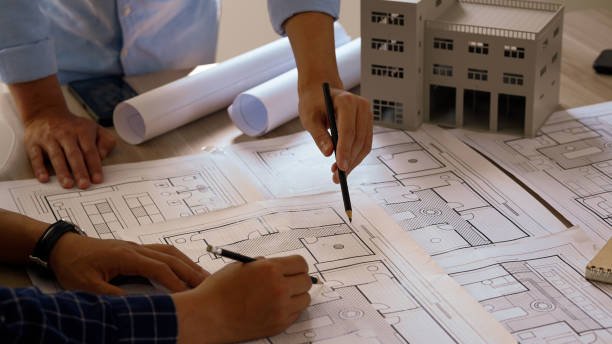
Building a new house sounds so fun, until you get into the nitty-gritty of actually deciding what to do and where to go from there. There’s a list of things to consider from a floorplan and design features to your budget, project permits, and timeframes. All of this actually sounds pretty doable, so long as the builder that gets chosen is up for the challenge. If you are considering Custom home builders Houston TX, make sure you’re looking beyond the project pictures and the pomp and circumstance of the final product. It looks awesome and the home of your dreams, but does it make sense in the scope of its construction cost and process? Do you feel like the builder you’re talking to gets it? Do they seem approachable? Do they seem like they’re ready to take your idea and make it into reality without every single decision turning into a headache? Here are a few things that might be worth considering before you sign on the dotted line.
1. Know Your Homebuilding Goals First
Before you get in touch with any builders, it pays to spend some time contemplating what you want. We’re not talking about the need to know the dimensions of every room and the finish of every surface, but having a rough idea of where you’re going makes a big difference. How many bedrooms do you need, is an open plan kitchen a priority, do you need more storage than the average family and do you need a certain amount of outside space? And think about your plans for the next five to ten years. Maybe you’re planning to have more kids, or your parents might come to live with you or work from home and you’ll need an office. Sometimes homeowners get caught up with the latest design trends and forget about the comfort of everyday living. Don’t do that. At the end of the day, your new home is for living in and not just for people to admire as they make their way in the front door.
2. Create a Practical Budget Prior to Beginning
While custom construction can cost significantly more, it really depends on the size of the home, architectural features, finishes, materials, site accessibility, builder, labor costs, and location. A complex roofline or an elaborate kitchen finishes may be wonderful, but they add up fast. Ask builders for a line-item detailed bid that show what’s included, and what you’re paying for. Excavation, utility hook-ups, permits, landscaping, interior finishes are usually where the big surprises sneak in. Don’t forget to include some buffer, and you want a builder who is ready to talk about the honest numbers, rather than try to win you over with a super low bid.
3. Verify the Builder’s Experience and Past Work
Experience counts, but you can’t judge it on years alone. How many homes have they actually built? Have they worked on projects similar in scope, style and complexity to yours? Ask to see completed homes, photos of work and visits to the homes if possible. Houston home owners should also look for a builder who has experience in your area – what will work best in our local soil, what drainage and weather challenges you may face will influence how a home performs over the years. Even if they have an extensive portfolio, if it is not followed by similar experience, you may have a learning curve. Ask questions related to previous homes. “Well, they built homes for years,” doesn’t tell you much.
4. Review Licensing, Insurance, and Professional Credentials
This step isn’t the most exciting, but skipping it can result in major problems down the line. Verify the builder’s business license status, business registration number, insurance coverage, and the licenses or certification required for the work in your state, province or territory. Request proof of all the above. General liability insurance and applicable workers’ compensation insurance are both important considerations. Also find out whether the builder uses licensed plumbers, electricians and other specialists with the professional licenses, city or county registrations, or other credentials necessary in your province or territory. There are many players involved in the construction of a custom home, and if they aren’t properly coordinated, the quality of work and safety can be compromised.
5. Let’s take a close look at communication and project management
Even if your builder has great building skills, that doesn’t mean they are easy to deal with. It’s crucial that you speak up, especially when working on a project that spans months. Ask how often you’ll get reports and who your primary point of contact will be. Are you going to work one-on-one with the project manager, or will a string of emails go back and forth? How will they talk to you about design changes? Little miscommunications can turn into costly legal battles if no one states the facts clearly. And keep an eye on this even at your first meeting: If a builder frequently avoids your questions or takes too much time to get back to you before you give them your business, don’t expect their attitude to change once construction gets underway.
6. Understand the Contract and Construction Timeline
Don’t ever skimp on a building contract. The contract should be comprehensive about everything that is to happen, including the scope of work, payment schedule, the list of materials, allowances, the date it should be finished, and who is responsible for what. It should also have information on how prices are determined for changes in the scope of the project, and how delays are managed, since weather, permits, material availability, and inspections can all delay construction, no matter how good the builder is. But a builder should be able to give an estimate of how long it will take, and point out potential areas of concern, rather than settle for casual promises that aren’t part of the contract.
7. Evaluate Design Flexibility and Material Choices
One of the main motivations for most people to opt for a custom build is to have a home that’s truly their own. But you might find that not every builder provides the same level of customization. While some have fixed sets of design options, others may provide a wide range of changes to floor plans, finishes, fixtures, and structural elements. Find out how much input you have in the design process and ensure you discuss issues like material quality, energy efficiency, insulation, windows, floors, and ventilation. Cheaper materials might save you money up-front, but replacing them or maintaining them could cost you more in the long run. Consider durability as well as design and don’t just accept the most expensive option without understanding the pros and cons.
8. Consider Future Property Needs and Remodeling Possibilities
Your house should accommodate your current life, but it shouldn’t be so hard to update when things change. In the future, will you need another bedroom? Do you need a larger kitchen or room to store things? Will you want a bigger, easier-to-access bathroom? This is where learning about home remodeling in Houston comes in. Not even the best custom home may be able to change easily over time. Determine whether the original structure will support upgrades without a total remodel, as electrical service, access to plumbing and the potential for expanding the home will affect how much renovations cost later. And it doesn’t mean you should overspend on features today; it simply means not designing yourself into a corner.
9. Inquire About Quality Assurance and Post-Construction Assistance
Never find construction quality after you move in. Ask how the builder is checking workmanship as the building progresses. Find out whether there are inspections at critical stages of construction. Ask where problems are recorded, who does the repairs, whether there is a construction warranty or other post-completion service. Before paying the balance on the house, demand a thorough walk-through and a punch-list of items to be corrected. Check the doors and windows, fixtures, floors, plumbing, and the visible finishes. You don’t need to be a construction expert, but you should have a clear system for addressing problems. A conscientious builder will not walk away when he hands you the keys.