


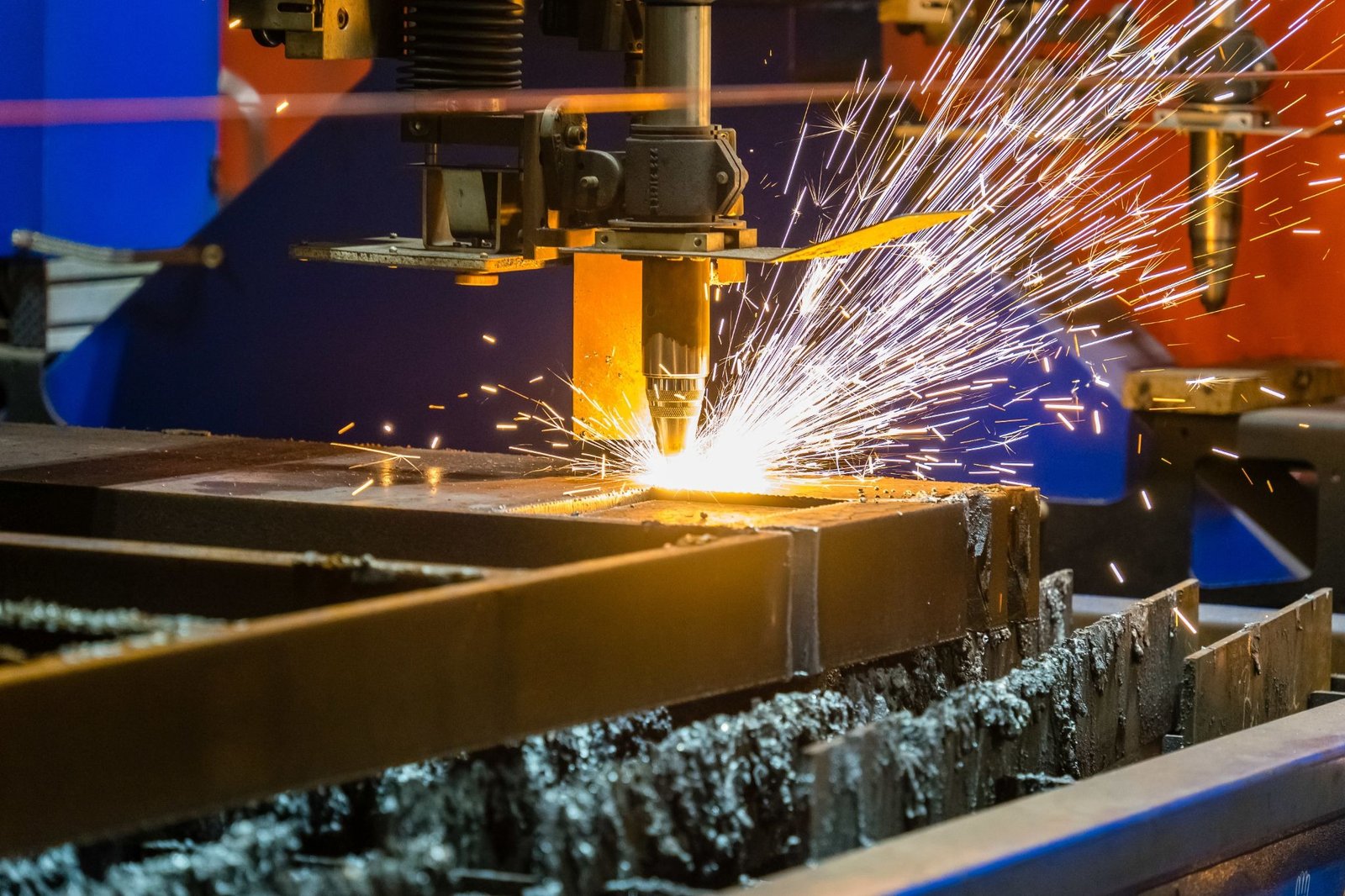
A CAD model looks finished on screen, but a metal part still has a long road ahead of it. With metal additive manufacturing, that road runs through powder, a laser and a fair bit of finishing work. Additive Manufacturing and Engineering INC (AME) builds metal parts in Huntsville, Alabama, and the team behind the machines has 35 combined years in additive manufacturing. This post follows one part from the first quote to the box it ships in, so you know what to expect before you send a file.
What Happens When You Send a Model for a Quote?
You start by sending a model and a material. That’s it. In return you get pricing and an honest read on whether the geometry will build. At AME you hear from an engineer at every step, not from a portal, so if something looks risky you’ll hear about it early.
This first step matters more than people think. Nothing has been printed yet, which means changes are still cheap. A wall that’s too thin or a channel that can’t be cleaned out is a quick fix in CAD and an expensive surprise on the plate.
What Does a Design Review Actually Look For?
Before a single layer is fused, the team goes through the geometry. They flag overhangs, trapped powder and thin walls that won’t survive the build, and then they propose a fix. Overhangs can sag without support. Powder gets stuck in closed cavities. Thin walls can warp or fail.
This is also where design for additives comes in. The real benefits of metal AM are in consolidation, conformal cooling, lattice structures and thin wall sections. Often a complex brazed assembly will become a single printed component with no seams. The majority of gains come from sending the model in early on before it is frozen.
How Is the Part Built Layer by Layer?
Once the design has been decided upon, the part is sent to the machine. AME uses laser powder bed fusion for their additive manufacturing process. They have an EOS M 400 with a 400mm construction area, and a 1kW ytterbium fibre laser. The machine deposits a layer of fine metal powder onto the plate and then melts the cross-section of your part with the laser. The plate lowers and the process is repeated. The layers are about 40 microns thick. The build is monitored through the run, so nobody is guessing about what’s happening inside the chamber.
Which alloys can go on the plate?
AME qualifies two alloys that propulsion programs actually fly. Inconel 718 is a nickel super-alloy which provides good strength at high temperatures. It is therefore commonly used for high temperature structural parts. GRCop-42 is a copper alloy developed by NASA, and is used to dissipate heat in combustion hardware.. Choosing between them is usually simple. If the part has to carry load at high temperature, it’s Inconel. If it has to move heat, it’s GRCop.
What Happens After the Build Finishes?
A part coming off the plate isn’t done. It is still supported by the plate and has residual stresses due to the melting and cooling processes. This means that the process includes stress relief. After that comes support removal and surface work to your callout, which AME coordinates through finishing partners it already works with.
The as-built surface is rougher than a machined surface. Sealing faces and bearing fits are therefore finished. Hot isostatic pressing and other thermal treatments are outsourced to partners that follow the same standards. Then comes inspection. Dimensional checks are done, and the build documentation travels with the parts. AME also keeps parameters, powder lots and builds records for every job.
Can You Order One Part, or a Small Batch?
Both. AME builds models and prototypes in the real flight alloy during development, so the test article is the actual material. After that, it runs repeatable low-volume batches on locked parameters for aerospace, defense, medical and automotive programs. That’s what pilot production means in practice. You aren’t paying for tooling, because there isn’t any, so a design revision is just a new file and the next build.
It’s worth saying that printing isn’t always the answer. If your part is simple and you need thousands of them, machining or casting will be cheaper. AME says so when that’s the case, which saves everyone time.
Why Does Location Matter for a Print Shop?
Huntsville is a few miles from Marshall Space Flight Center and Redstone Arsenal, and a lot of the engine work that shaped this industry happened nearby. AME was incorporated there in 2018. It’s HUBZone certified and a Small Disadvantaged Business, and its chief engineer built a GRCop-42 fuel injector with NASA and Marshall. Metal printed at the Huntsville shop has also been through an ignition test on NASA hardware. For a team that needs to talk to the person running the machine, being close helps.
Ready to Send Your Model?
The short answer is it depends on the part you’re printing. There are a bunch of factors that go into how much the parts will cost. Machine hours, powder and finishing. But also your design choices will affect it too. The best way to get an accurate quote would be to send over your model and materials so we can have an engineer take a look. Additive Manufacturing and Engineering INC will tell you whether it builds, what it costs and how long it takes. You can call the shop at (256) 929-2332 or request a quote at addmaneng.com.
FAQs
How long does it take to get a printed metal part?
Usually weeks from CAD to a part in your hand, and that includes heat treatment. A casting can take months, so metal additive manufacturing is often the faster route for complex parts.
Do I need a finished design before asking for a quote?
No. In fact it’s better to send the model before the design is frozen. A short review with an engineer can catch problems and bring the cost down.
Why does a printed part need heat treatment?
Because every part carries residual stress after it comes off the machine. Stress relief is a required step, and it’s what makes the part ready for finishing and use.
What do I need to send to get started?
A model and a material. AME will come back with pricing and a clear answer on whether the geometry will build.
Can AME suggest changes if my design won’t build?
Yes. The team flags problem areas like overhangs, trapped powder and thin walls, then proposes a fix. That way you can adjust the design before any metal is printed with laser powder bed fusion.