


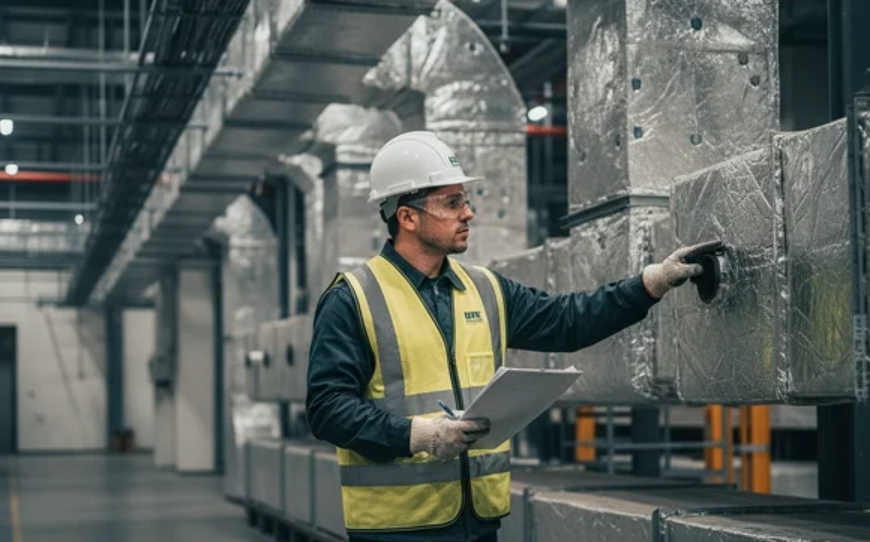
Investing in property can be a significant financial decision, especially in a competitive market like Dubai. Before purchasing, developing, or financing a property, investors need to understand its physical condition, technical risks, compliance status, and potential future costs. Western Vas helps property stakeholders make more informed decisions by supporting professional assessment and valuation requirements. Technical due diligence provides an objective review of a property so buyers can identify potential issues before completing a transaction.
What Is Technical Due Diligence in Dubai?
Technical due diligence in Dubai is the process of examining a property’s physical, structural, mechanical, electrical, and operational condition before an investment or transaction. It can be carried out for residential buildings, commercial properties, industrial assets, hotels, mixed-use developments, and other real estate.
The objective is to identify existing defects, maintenance concerns, regulatory issues, and potential capital expenditure requirements.
A typical assessment may review:
- Structural elements and building condition
- Mechanical and electrical systems
- Plumbing and drainage
- HVAC and ventilation systems
- Fire and life-safety systems
- Elevators and vertical transportation
- Roofs, façades, windows, and external areas
- Common areas and building finishes
- Available maintenance records
- Existing defects and deferred maintenance
- Building documentation and approvals
- Potential future repair and replacement costs
The findings can help investors understand whether the property’s current condition supports the proposed purchase price and investment strategy.
Why Is Property Due Diligence Important?
Property due diligence gives investors a clearer understanding of what they are actually acquiring. A property may appear attractive during a viewing, but certain technical problems can remain hidden without a professional inspection.
For example, an investor may discover after acquisition that major building systems require replacement or that significant maintenance has been deferred. These unexpected costs can affect the property’s financial performance.
A comprehensive review can help identify:
- Hidden defects – Problems that may not be visible during a standard property viewing.
- Maintenance requirements – Existing repairs or maintenance that should be addressed.
- Capital expenditure – Major future costs involving equipment, structures, or building systems.
- Operational risks – Issues that could affect the property’s usability or ongoing operation.
- Compliance concerns – Potential gaps requiring further investigation or corrective action.
- Investment risks – Technical findings that could influence negotiations and investment decisions.
For buyers, this information can provide greater confidence before committing substantial capital.
Real Estate Due Diligence in Dubai: What Does It Cover?
Real estate due diligence in Dubai generally involves reviewing multiple aspects of a property rather than focusing only on its physical condition. Technical assessment is one important component of a broader due diligence process.
Depending on the property and transaction, investors may consider:
Physical Condition
Inspectors assess the overall condition of the building, including visible defects, finishes, structural components, and external areas.
Building Systems
Major systems such as HVAC, electrical installations, plumbing, fire protection, elevators, and other mechanical equipment may require assessment.
Documentation
Available drawings, maintenance records, equipment information, inspection reports, warranties, and other technical documents can provide valuable background information.
Compliance
The assessment can identify areas requiring additional investigation regarding applicable building requirements, approvals, permits, and safety standards.
Future Expenditure
One of the most valuable aspects of due diligence is understanding potential short-, medium-, and long-term capital expenditure.
This broader approach allows investors to evaluate both the property’s present condition and its potential future obligations.
Building Due Diligence Services in Dubai for Investors
Professional building due diligence services in Dubai can be particularly valuable when acquiring existing buildings or evaluating large property portfolios. Unlike a simple property inspection, building due diligence can involve a systematic review of multiple technical components.
Depending on the scope, professionals may examine:
- Building structure and external envelope
- Waterproofing and roofing
- Air-conditioning and HVAC equipment
- Electrical distribution systems
- Water supply and drainage
- Fire alarms and fire-fighting systems
- Elevators and escalators
- Parking and external infrastructure
- Common facilities
- Plant rooms and service areas
- Maintenance and operational records
The assessment should be tailored to the property’s age, type, size, location, intended use, and transaction requirements.
For example, the technical priorities for a high-rise residential tower may differ from those of a warehouse, office building, retail property, or hotel.
What Are the Main Stages of Technical Due Diligence?
A structured technical due diligence process generally begins before the physical inspection.
1. Document Review
Available property documentation is reviewed to understand the building’s history, specifications, maintenance activities, and existing issues.
2. Site Inspection
A qualified professional conducts a physical inspection of accessible areas and building systems. The purpose is to identify visible defects, deterioration, operational concerns, and areas requiring further investigation.
3. Technical Assessment
The collected information is evaluated to determine the significance of identified issues and their potential impact on the property.
4. Cost Consideration
Where appropriate, repair, replacement, and capital expenditure requirements can be categorized according to their potential timing and importance.
5. Reporting
The findings are documented in a technical due diligence report, generally highlighting major observations, risks, recommendations, and areas requiring further investigation.
How Does Due Diligence Help Property Buyers?
Technical assessment can strengthen the decision-making process in several ways. Instead of relying exclusively on marketing information or a brief site visit, buyers receive a more structured understanding of the property’s condition.
The findings can help buyers:
- Evaluate potential technical risks before acquisition
- Plan future maintenance budgets
- Identify urgent repair requirements
- Understand potential capital expenditure
- Support negotiations with sellers
- Compare alternative investment opportunities
- Develop post-acquisition maintenance strategies
- Make better-informed investment decisions
Importantly, due diligence does not necessarily mean that every defect makes a property unsuitable. Older buildings naturally require maintenance and upgrades. The key is understanding the condition, cost, urgency, and potential impact of each issue.
When Should You Conduct Technical Due Diligence?
Ideally, technical due diligence should be completed before finalizing a property acquisition. Conducting the assessment early gives investors sufficient time to review findings and make decisions.
It can be particularly useful when:
- Purchasing an existing building
- Acquiring a commercial property
- Investing in a large residential development
- Purchasing a property portfolio
- Refinancing or restructuring an asset
- Considering redevelopment
- Evaluating a property for long-term investment
- Assessing an asset before selling it
For larger transactions, starting the process early can also allow time for additional specialist investigations if significant concerns are discovered.
Choosing the Right Due Diligence Approach
Not every property requires the same level of investigation. The appropriate scope depends on several factors, including property size, age, type, transaction value, available documentation, and intended use.
Investors should consider whether the assessment includes the property’s major technical systems and whether the final report clearly identifies significant risks.
A useful report should be understandable to both technical and non-technical stakeholders. It should distinguish between minor observations and issues that could materially affect investment decisions.
Technical due diligence in Dubai is an important part of making informed real estate investment decisions. By reviewing a property’s physical condition, building systems, documentation, potential defects, compliance considerations, and future expenditure requirements, investors can better understand the risks associated with an acquisition.
Whether you are purchasing a commercial building, residential development, investment property, or larger real estate asset, professional property due diligence and building due diligence services in Dubai can provide valuable insight before you commit your capital. With the right assessment, investors can approach transactions with greater clarity and develop practical strategies for managing technical and financial risks.