


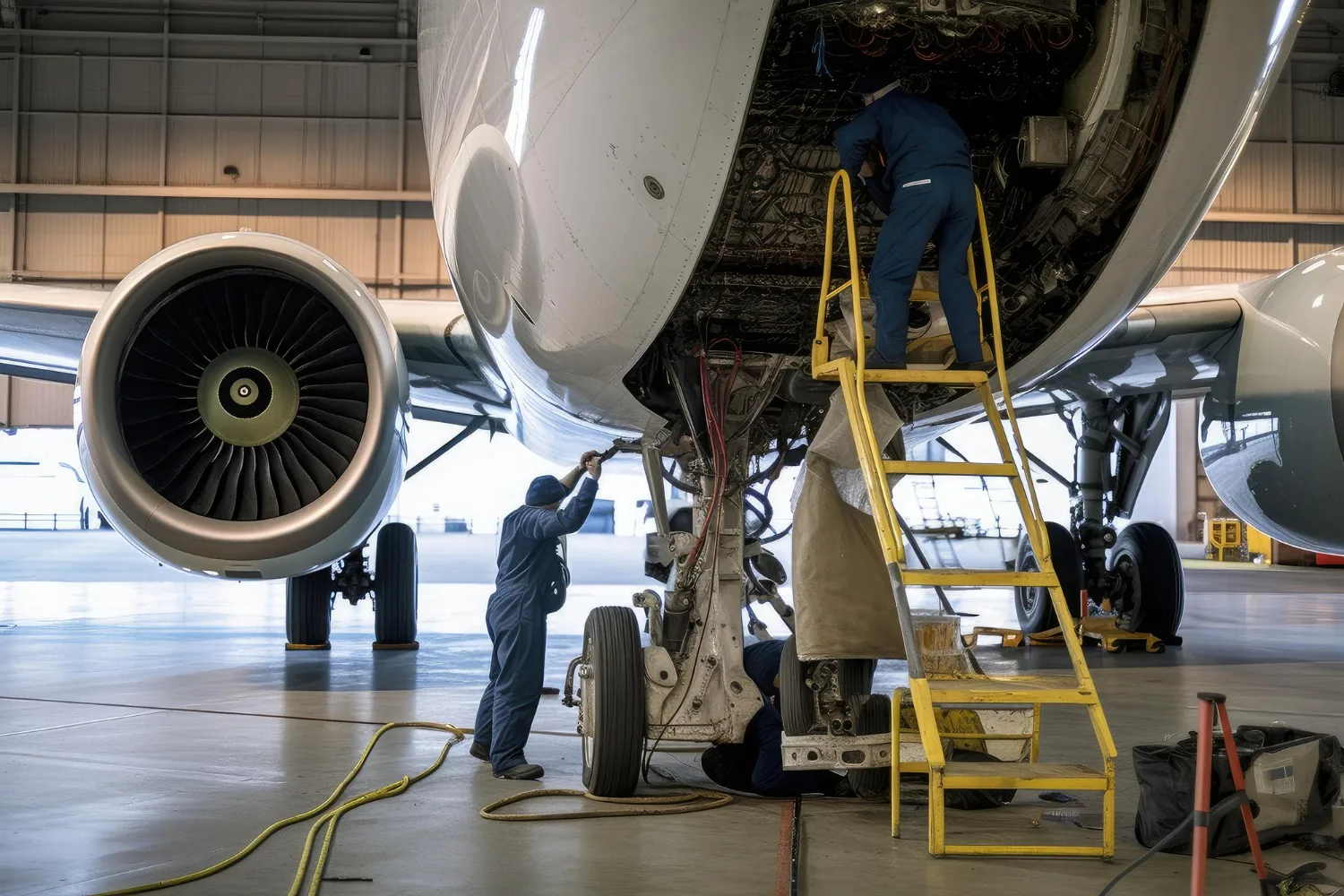
Aircraft maintenance is one of those jobs where small details can have serious consequences. A worn component, a faulty connection, or the wrong replacement part can affect an aircraft’s performance and safety. Maintenance teams work under tight schedules, but rushing through repairs is never a good idea. Having the right aircraft products available makes a real difference. From replacement components and electrical supplies to lubricants, sealants, and specialised maintenance tools, every item has a purpose. Modern aviation relies on dependable equipment and properly maintained systems to keep aircraft operating as they should. And while technology continues to change the industry, one thing hasn’t changed much: quality maintenance starts with using the right materials.
Aircraft Replacement Parts and Components
Replacement parts are among the most important supplies in aviation maintenance. Aircraft components experience regular stress from vibration, pressure changes, temperature fluctuations, and repeated use. Over time, even well-made parts can wear out or fail.
Maintenance teams regularly work with items such as filters, bearings, fasteners, seals, valves, electrical connectors, and other aircraft-specific components. The exact requirements depend on the aircraft model and the system being serviced.
However, finding a part that looks similar isn’t enough. Aircraft replacement components must meet the required specifications and be approved for the intended application. Technicians need to verify part numbers, documentation, traceability, and compatibility before installation.
Using the wrong component can create additional maintenance problems. It may also affect regulatory compliance. That’s why dependable sourcing matters just as much as the repair itself.
Aircraft Maintenance Tools and Ground Support Equipment
Good technicians need more than experience. They also need tools designed for aviation work. Standard workshop equipment may handle basic tasks, but aircraft maintenance often requires specialised instruments that provide accurate measurements and controlled results.
Torque wrenches, precision measuring tools, inspection mirrors, borescopes, multimeters, and calibrated testing equipment are common examples. These tools help technicians inspect difficult-to-reach areas, check electrical systems, and make sure components are installed correctly.
Ground support equipment is another important part of the maintenance process. Hydraulic service units, aircraft jacks, power units, and other support equipment help technicians carry out inspections and repairs safely.
Calibration should never be treated as an optional task. A measuring instrument that gives inaccurate readings can lead to incorrect maintenance decisions. Regular inspection, servicing, and calibration help keep tools dependable.
Sealants, Adhesives, and Protective Coatings
Aircraft structures face constant exposure to environmental conditions. Moisture, temperature changes, fuel, hydraulic fluids, and other substances can gradually affect different materials.
This is where aviation-grade sealants, adhesives, and protective coatings become essential. Sealants are used in approved applications to help prevent fluid leakage and moisture intrusion. They can also protect joints and seams against environmental exposure.
Specialised adhesives are used for certain bonding and repair applications, depending on the aircraft structure and manufacturer requirements. Protective coatings help reduce corrosion and surface deterioration, particularly in areas exposed to harsh operating conditions.
Not every commercial sealant or adhesive is suitable for aircraft use. Products must meet the relevant technical specifications and be compatible with the materials involved. Following manufacturer instructions is critical, including surface preparation, application conditions, and curing time.
Aircraft Lubricants, Oils, and Hydraulic Fluids
Moving parts need proper lubrication. Aircraft engines, landing gear assemblies, bearings, and other mechanical systems depend on fluids designed for their specific operating conditions.
Aviation lubricants help reduce friction and wear between moving surfaces. Engine oils also play an important role in managing heat and protecting internal components. Hydraulic fluids support systems responsible for functions such as landing gear operation, braking, and flight control, depending on the aircraft design.
Using the wrong fluid can damage seals, affect system performance, or create compatibility issues. Maintenance personnel must always check the aircraft maintenance manual and approved fluid specifications before servicing any system.
Storage conditions matter too. Fluids should be kept in properly labelled, sealed containers and handled according to manufacturer recommendations. Contamination is a real concern, and even small mistakes can affect system reliability.
Electrical and Avionics Maintenance Supplies
Modern aircraft depend heavily on electrical and electronic systems. Navigation, communication, monitoring, lighting, and flight management all rely on components working together correctly.
Electrical maintenance supplies include wiring, circuit protection devices, connectors, terminals, insulation materials, and approved repair accessories. Avionics maintenance may also involve specialised testing equipment used to diagnose faults and verify system operation.
Technicians need to follow the relevant wiring diagrams and maintenance documentation when working on these systems. Incorrect connections or unsuitable replacement materials can lead to intermittent faults that are difficult to identify later.
As aircraft technology becomes more advanced, having access to compatible electrical components and reliable diagnostic equipment becomes even more important.
Inspection and Cleaning Products for Aircraft Care
Maintenance isn’t limited to replacing damaged parts. Regular inspection and cleaning help technicians identify problems before they become more serious.
Aviation-approved cleaning products are used to remove dirt, grease, oil, and other contaminants from aircraft surfaces and components. Different materials require different cleaning methods. A product suitable for one surface may damage another, so technicians should always check compatibility.
Inspection products such as approved fluorescent penetrant materials can also help identify certain surface cracks and defects when used as part of an appropriate inspection procedure. Corrosion detection and removal supplies are equally important for maintaining aircraft structures.
Keeping surfaces clean makes inspections easier. It also helps technicians spot leaks, unusual wear, and early signs of deterioration that might otherwise go unnoticed.
Why Aviation Inventory Management Matters
Having quality supplies is only part of the job. Maintenance teams also need to know what is available, what is running low, and which components require replacement. Effective Aviation inventory management helps prevent unnecessary delays by keeping essential parts, consumables, and maintenance materials organised.
A proper inventory system should track stock levels, part numbers, shelf life, storage requirements, and documentation. This is particularly important for products with expiration dates, such as certain sealants, adhesives, and chemical supplies.
Poor stock management can lead to rushed purchases, incorrect parts, and maintenance delays. On the other hand, maintaining accurate records helps teams plan ahead and avoid holding excessive quantities of expensive components.
Digital inventory systems can make this process easier by providing real-time stock information and improving purchasing decisions.
Conclusion
Modern aviation maintenance depends on much more than skilled technicians. It requires reliable replacement parts, specialised tools, approved fluids, protective materials, electrical supplies, and effective inspection products. Every item contributes to keeping aircraft systems in proper working condition. But quality alone isn’t enough. Products must also meet aircraft specifications, have proper documentation, and be stored and handled correctly. When maintenance teams combine dependable supplies with careful inspections and organised inventory practices, repairs become more consistent and delays can be reduced. Aviation is an industry where cutting corners simply isn’t worth it. Having the right products available, at the right time, helps support safer and more dependable aircraft operations.