


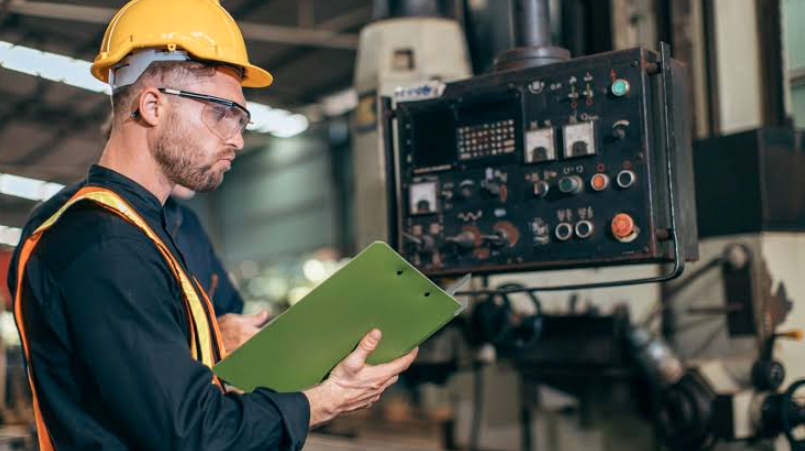
Technical inspection is an essential process for evaluating the condition, performance, safety, and reliability of equipment, machinery, structures, and industrial assets. Regular inspections help businesses identify defects, deterioration, abnormal conditions, and potential failures before they develop into costly breakdowns or safety incidents. For commercial, industrial, manufacturing, construction, and infrastructure organizations, a professional inspection provides objective technical information that supports maintenance planning, risk management, regulatory compliance, insurance assessments, and asset management. Rather than relying only on visual observations or routine maintenance records, technical inspection uses systematic assessment methods to establish the actual condition of an asset and identify areas requiring attention. This enables organizations to make informed decisions about repair, replacement, maintenance, and continued operation.
What Is Technical Inspection and Why Is It Important?
Technical inspection is a structured examination of equipment, systems, structures, or components to determine whether they remain suitable for their intended purpose. Depending on the asset being inspected, the process can involve visual examination, measurements, testing, condition assessment, documentation review, and specialized inspection techniques.
The importance of inspection extends beyond identifying visible damage. Some defects can develop internally or remain unnoticed during normal operations. Early identification can prevent minor issues from becoming major failures, helping businesses reduce downtime, protect employees, and control unexpected repair costs.
For organizations managing valuable or safety-critical assets, independent inspection also provides an objective basis for making maintenance and operational decisions.
How Does a Technical Inspection Service Help Businesses?
A professional technical inspection service provides businesses with specialized expertise to assess assets systematically and document their condition. Instead of relying solely on internal observations, organizations can engage qualified specialists to conduct detailed assessments using appropriate inspection procedures and equipment.
A technical inspection service may cover machinery, industrial equipment, electrical installations, structural components, production systems, storage facilities, pipelines, pressure-related equipment, and other critical assets.
The scope depends on the purpose of the inspection and the characteristics of the asset. Inspections may be performed as part of routine maintenance, before commissioning, following an incident, during an insurance assessment, or when a business needs an independent opinion regarding the condition of an asset.
What Types of Assets Can Be Examined During Technical Inspection?
The assets requiring technical inspection vary considerably between industries. Manufacturing facilities may require inspections of production machinery, mechanical systems, electrical equipment, and supporting infrastructure. Construction and property sectors may require assessments of structures, building components, and installed systems.
Industrial inspection programs can include:
- Machinery and production equipment
- Mechanical and electrical systems
- Industrial structures and facilities
- Storage and processing equipment
- Building and infrastructure components
- Plant equipment and critical assets
- Equipment affected by fire, water, impact, or other incidents
- Aging or deteriorating assets
The inspection scope should be established according to the asset’s function, operating environment, age, condition, and potential consequences of failure.
Why Is Technical Inspection in Indonesia Important for Industrial Operations?
Businesses operating in Indonesia may manage complex facilities, industrial equipment, commercial properties, and infrastructure that require regular condition monitoring. Technical inspection in Indonesia can help organizations identify technical risks and establish a clearer understanding of asset condition.
Industrial environments can expose equipment to heat, humidity, vibration, corrosion, heavy loads, chemicals, continuous operation, and other conditions that may contribute to deterioration. Without appropriate inspection, developing defects may remain undetected until equipment performance is affected or a failure occurs.
A professional inspection can provide businesses with documented findings that support maintenance decisions and operational planning. It can also help organizations prioritize assets requiring immediate attention and establish longer-term maintenance strategies.
How Can Technical Inspection Identify Potential Equipment Failures?
Equipment failures rarely occur without contributing factors. Wear, corrosion, fatigue, improper installation, inadequate maintenance, excessive loading, overheating, vibration, material deterioration, and operating conditions can all affect asset performance.
During an inspection, specialists assess available evidence and examine relevant components to identify abnormalities or signs of deterioration. Depending on the situation, additional testing or engineering analysis may be recommended.
The purpose is not simply to identify that an asset has a problem. A detailed assessment can help establish the nature and extent of the condition, its potential implications, and whether corrective action should be taken.
Early identification allows businesses to address developing problems before they result in significant operational disruption.
When Should Businesses Arrange a Technical Inspection?
Technical inspections can be performed at different stages of an asset’s lifecycle. New equipment may require inspection before commissioning or acceptance, while operating equipment may benefit from periodic condition assessments.
An inspection may also be appropriate when:
- Equipment performance has changed unexpectedly
- Unusual noise, vibration, heat, or leakage is observed
- Machinery has experienced a breakdown
- Structural deterioration is suspected
- An asset has been exposed to an incident
- A business is purchasing or selling equipment
- An insurance assessment is required
- Maintenance or replacement decisions need independent technical evidence
- An organization is reviewing operational risks
The appropriate inspection frequency depends on the type of asset, operating conditions, applicable requirements, and the consequences associated with failure.
What Inspection Methods Are Used to Assess Asset Condition?
The inspection method depends on the equipment, structure, material, and purpose of the assessment. Visual examination is often an important starting point, allowing inspectors to identify visible defects, corrosion, deformation, cracks, leaks, wear, or other abnormalities.
Where appropriate, more specialized techniques may be used to obtain additional information. These can include dimensional measurements, infrared thermography, vibration analysis, electrical testing, material assessment, or other non-destructive examination techniques.
Using the correct method is important because different defects require different approaches. A professional inspector should determine which techniques are appropriate based on the asset and the objectives of the inspection rather than applying the same process to every situation.
How Does Technical Inspection Support Maintenance Planning?
Inspection findings can provide valuable information for developing practical maintenance priorities. Instead of treating every asset equally, businesses can use condition information to determine which equipment requires immediate attention and which assets can continue operating under appropriate monitoring.
A detailed report can document observed defects, asset condition, areas of concern, and recommended actions. This information can assist maintenance teams in scheduling repairs, allocating budgets, planning replacements, and reducing unexpected downtime.
Condition-based decision-making can also improve asset lifecycle management by helping organizations understand how equipment is performing over time.
Can Technical Inspection Support Insurance and Forensic Investigations?
Yes. Technical inspection can provide important evidence when equipment or property has been damaged or when the cause of a failure needs to be evaluated.
Following incidents such as machinery breakdowns, fires, explosions, structural failures, or other forms of damage, an inspection can document the condition of affected assets. When combined with appropriate engineering or forensic analysis, inspection findings may help establish the circumstances surrounding an incident.
For insurers and legal professionals, accurate technical documentation can support claims evaluation, loss assessment, dispute resolution, and further investigation. Maintaining clear records of observations, measurements, photographs, and relevant technical information can strengthen the reliability of the assessment.
How Can Businesses Choose the Right Technical Inspection Provider?
Businesses should consider the provider’s technical expertise, inspection experience, reporting capabilities, understanding of relevant industries, and ability to work with complex assets. The inspection should be objective, systematic, and appropriate to the specific requirements of the assignment.
A reliable provider should also communicate findings clearly rather than presenting technical information without practical context. The final report should help decision-makers understand the condition of the asset, significant findings, potential risks, and recommended next steps.
How Can Approved Group International Help With Technical Inspection?
When asset condition, safety, and operational reliability matter, professional technical expertise can provide businesses with greater confidence in their decisions. Approved Group International provides technical inspection and assessment services for commercial, industrial, and infrastructure environments, supported by expertise in forensic investigation, damage assessment, disaster restoration, and related technical disciplines.
Our approach focuses on systematic assessment, accurate documentation, and evidence-based findings that can assist organizations with maintenance planning, insurance matters, risk management, and operational decisions. Contact Approved Group International to discuss your inspection requirements and obtain professional support for assessing critical assets and identifying potential technical risks.